Can You Use Nordlys Laser for Wrinkles?
Wrinkles do not always arrive as deep lines first. For many people,…



A shower sounds harmless after a laser appointment, but freshly treated skin can be more reactive than usual. After V-Beam treatment, the skin may feel warm, look pink, or have mild swelling for a short time. That does not signal a problem on its own. V-Beam targets visible blood vessels and redness with pulsed dye laser energy, so the skin often needs a calmer first day while the treated area settles.
The main shower rule is simple: avoid heat. A hot shower, steam, a rough washcloth, exfoliating cleanser, or strong water pressure can make redness and sensitivity feel worse. A lukewarm shower is usually the safer choice once your skin feels comfortable, unless your provider gives different instructions based on your treatment area, settings, or skin response.
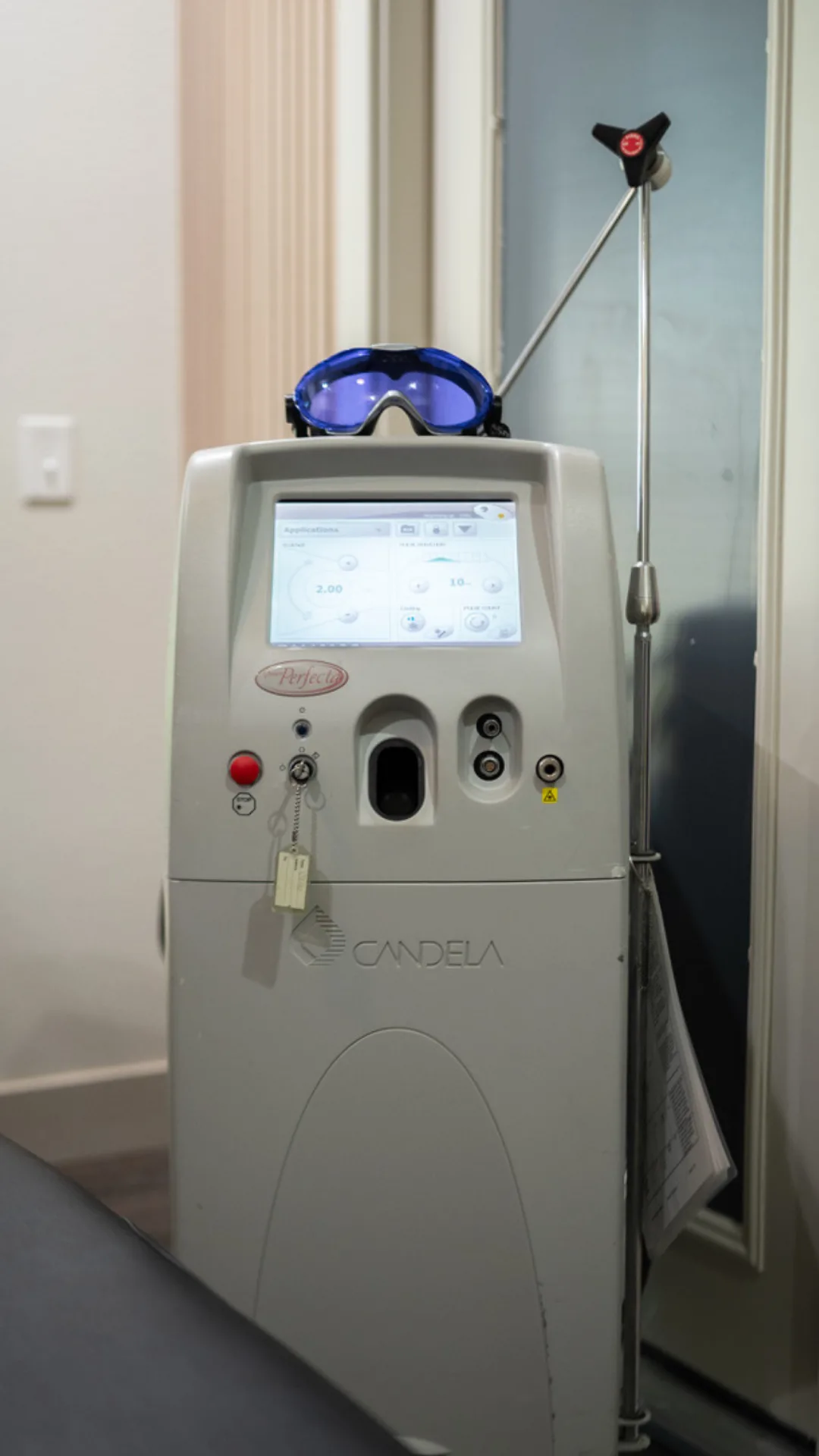
ABLC uses V-Beam Perfecta to address facial redness, rosacea, flushing, broken capillaries, spider veins, vascular birthmarks, red stretch marks, and post-procedure bruising. The treatment has little downtime for many clients, but good aftercare still helps protect the treated skin during the early recovery window.
Most clients can shower after V-Beam laser treatment, but the first shower should be lukewarm, brief, and gentle. Wait until the treated skin no longer feels hot or irritated before letting water run over it. For many people, that means showering later the same day or the next morning, depending on comfort and provider instructions.
A safe first shower usually means:
This kind of shower keeps the skin clean without adding extra heat or friction. If the treated area feels tender, swollen, or unusually warm, wait longer and contact your provider if symptoms feel concerning.
The V-Beam laser targets vascular concerns by sending light energy into visible blood vessels. That energy is absorbed by hemoglobin, the pigment in red blood cells, which helps reduce the appearance of redness and visible vessels over time. The device also uses cooling to protect the skin surface and improve comfort during treatment.
Freshly treated skin can still be sensitive afterward. Heat from a shower, sauna, steam room, hot tub, or intense workout can increase flushing. For a treatment that focuses on redness and vascular response, extra heat can make the skin look more irritated than it needs to.
A lukewarm shower should feel comfortable, not steamy. If the bathroom mirror fogs heavily or your skin turns brighter red under the water, the temperature is probably too high. Keep the water mild while the treated vessels and surrounding skin settle.
Steam surrounds the face and can be harder to control than water temperature alone. A short, lukewarm shower with the fan on is usually easier on treated skin than standing in a hot bathroom. This is especially relevant after facial treatment, since cheeks, nose, and chin can flush quickly in heat.
Hot showers are best avoided for at least the first 24 to 48 hours after treatment, or longer if your skin still looks flushed or feels tender. Some clients only have mild redness for a short time. Others may have swelling, sensitivity, or a more noticeable pink tone for a day or two.
ABLC treats a wide range of vascular concerns with V-Beam, so recovery can vary by area and treatment goal. A small area of broken capillaries may respond differently than diffuse facial redness or rosacea. The settings used during treatment can also affect how reactive the skin feels afterward.
The first night is usually when you should be most careful with heat. Choose a lukewarm shower, skip long rinsing, and avoid letting hot water hit the treated area directly. If your face was treated, wash gently with your hands and avoid cleansing brushes.
After the first day or two, you can usually bring back warmer showers if the skin feels calm. Bring heat back gradually. If redness flares each time you shower, lower the temperature again and give your skin more time.
Your shower products should be simple after a V-Beam laser appointment. Skin that has been treated for redness or visible vessels can react more strongly to ingredients that felt fine before treatment.
A gentle, non-exfoliating cleanser is usually the best choice. Avoid scrubs, cleansing brushes, glycolic acid, salicylic acid, retinoids, benzoyl peroxide, strong fragrance, and harsh acne washes until your provider says they can return. These products can sting or make the treated area look more irritated.
If you normally use active skin care at night, pause it during the early recovery window. Basic cleansing, a plain hydrating cream, and sunscreen are often enough while the skin calms. Sunscreen is especially useful because V-Beam-treated skin should be protected from sun exposure.
Friction can aggravate treated skin. Wash with fingertips, rinse gently, and pat dry. A towel should touch the skin lightly, with no dragging across the treated area. If the treated area is on the body, avoid loofahs and exfoliating gloves for the first few days.
A bland cream can help the skin feel more comfortable after showering. Apply it gently once the skin is dry. If your provider recommended a specific product, follow that plan.
V-Beam laser for rosacea is often used to reduce persistent facial redness, flushing, and visible capillaries.Rosacea-prone skincan be sensitive to heat even without laser treatment, so shower temperature deserves extra attention after your appointment.
A hot shower can trigger flushing in many people with rosacea. After treatment, that flushing can feel more intense or last longer. Use lukewarm water, keep the bathroom ventilated, and avoid lingering under the spray. If your face is the treatment area, consider washing it at the sink with cool-to-lukewarm water instead of letting shower water hit it for several minutes.
Rosacea care is often about reducing triggers. Heat, alcohol, spicy food, intense exercise, and sun exposure can all make redness more noticeable for some clients. Your provider can help you decide which triggers to watch after treatment and when to resume your usual routine.
Showering is one part of aftercare. The same principle applies to the rest of your day: keep treated skin cool, protected, and free from unnecessary irritation.
Avoid saunas, hot tubs, steam rooms, heavy workouts, tanning, and direct sun exposure during the early recovery window. Skip facial waxing, exfoliating treatments, and strong peels until your provider clears them. Makeup may be allowed after a certain point, but wait for your specific instructions if the treated skin feels sensitive.
Some redness, swelling, or a sunburn-like feeling can happen after V-Beam. Mild redness or swelling often settles within a day or two. Symptoms that feel severe, worsen instead of improving, or worry you should be checked by your provider.
Normal showering can usually resume once the treated skin no longer feels warm, tender, or easily flushed. For many clients, that may be within a couple of days. More reactive skin may need a little longer, especially after treatment for broader redness or rosacea.
If your skin looks calm after a lukewarm shower, you can gradually return to your usual routine. If it becomes redder, stings, or feels hot, go back to cooler water and gentler products for another day or two.
Showering does not replace the need for sun protection. After drying the skin, apply broad-spectrum sunscreen before daytime exposure. Sun exposure can worsen redness and interfere with the clearer, more even tone you want from treatment.
You can usually shower after V-Beam treatment, but the first shower should be gentle. Use lukewarm water, avoid steam, skip scrubs, and pat the skin dry. Heat is the main thing to avoid because it can make redness and sensitivity more noticeable while the skin is settling.
ABLC offers V-Beam treatment for redness, visible veins, rosacea, flushing, vascular spots, and related concerns. Book a V-Beam consultation to talk through your skin goals, aftercare needs, and the best treatment plan for a clearer-looking complexion.
Many clients can take a brief lukewarm shower the same day, as long as the treated skin feels comfortable and their provider has not given different instructions. Avoid hot water, steam, and scrubbing.
Hot water is usually best avoided for at least 24 to 48 hours. Wait longer if your skin still feels warm, tender, or easily flushed.
You can usually wash your face gently with cool-to-lukewarm water and a mild cleanser. Avoid cleansing brushes, scrubs, exfoliating acids, retinoids, and fragranced products during early recovery.
A little redness can happen after showering, especially if the water was too warm. Cool the area gently, avoid more heat, and contact your provider if redness is severe, painful, or getting worse.

Make the most of your September visit with exclusive savings at Advanced Body & Laser Center. Enjoy 30% off medical services totaling $250 or more, 30% off retail products, and buy two mechanical facials and receive your third facial complimentary.
Exclusions may apply. Promotions are non-refundable and non-transferable.
Discover your best self at Advanced Body & Laser. Whether you’re looking to rejuvenate your skin, sculpt your body, or simply feel more confident, our expert team is here to help. Schedule your consultation today and take the first step toward transformation.
Call ABLC at (559) 636-0808 for more information on booking an appointment, or fill out the form below and we will reach out to you!
