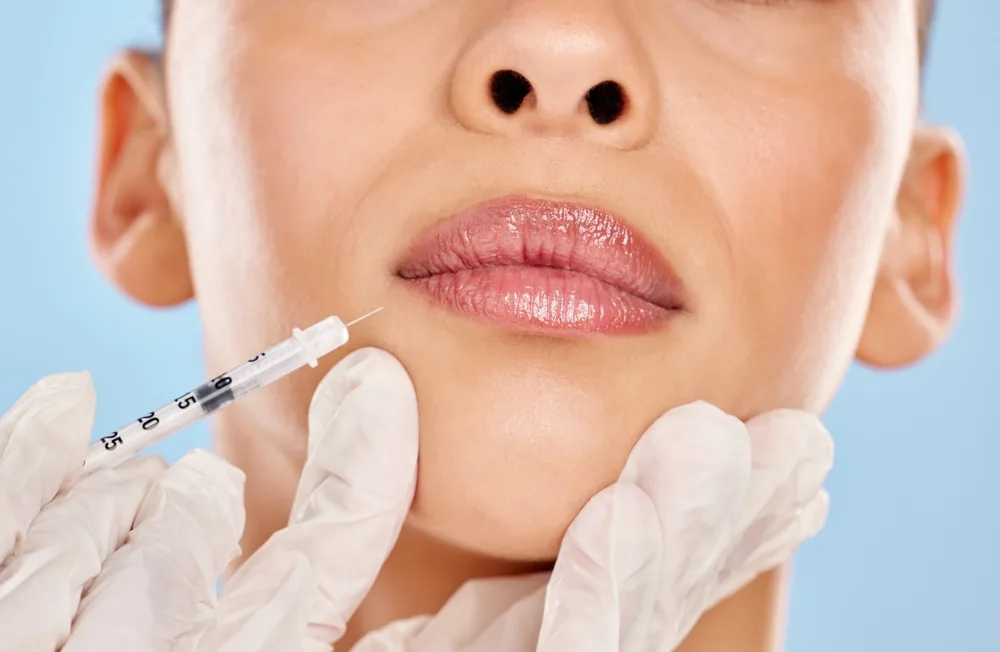



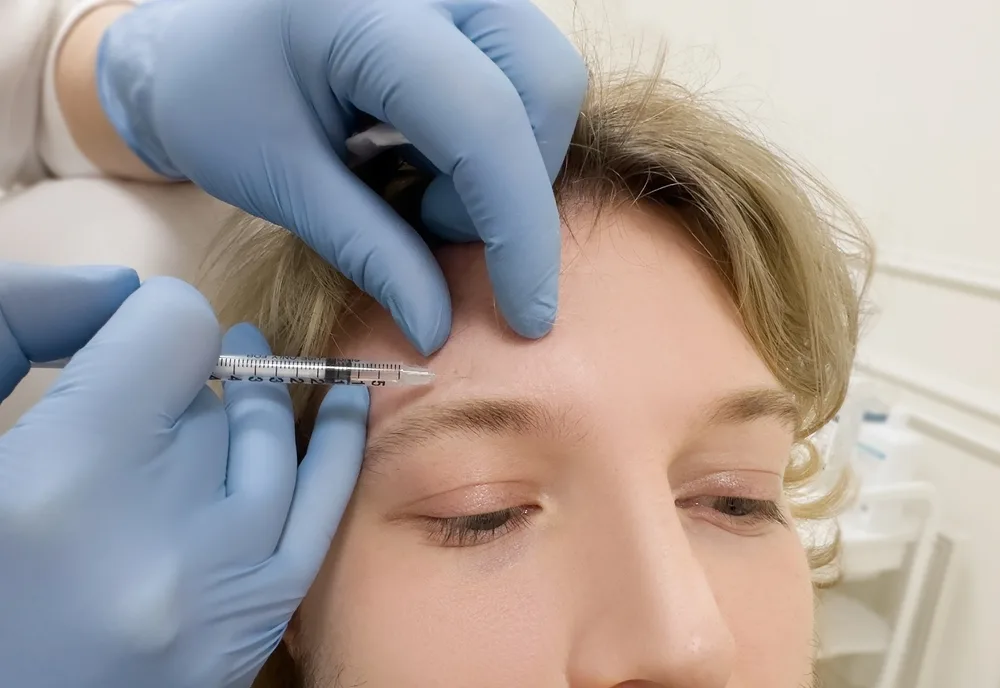
Heavy eyebrows after Botox can feel disappointing when the goal was a smoother, fresher upper face. Instead of looking more relaxed, the brows may feel lower, the lids may look more crowded, or the forehead may feel tight in a way you did not expect. This can be especially frustrating if you already have naturally low brows, hooded eyes, or a forehead that does a lot of lifting for your eye area.
Botox works by relaxing targeted muscles. That is what makes it useful for forehead lines, frown lines, crow’s feet, and other dynamic wrinkles. The key is balance. The forehead muscle helps lift the eyebrows, while muscles around the brow and eye area can pull downward. If too much lift is relaxed without considering the rest of the face, the brows can feel heavy.
At ABLC, Botox treatment is planned around natural facial movement, treatment goals, and preserving expression. A thoughtful consultation can help reduce the chance of a heavy brow result.
Heavy eyebrows after Botox usually happen when the muscles that lift or support the brow are relaxed more than the face can comfortably tolerate. It can also feel more noticeable in patients who already have low brows, eyelid heaviness, or hooded eyes.
The goal is smoother expression lines without making the upper face look flat, tired, or weighed down.
The forehead muscle, called the frontalis, raises the eyebrows. Many people use this muscle throughout the day without noticing it. If the brows sit naturally low, or if the upper eyelids are already hooded, the forehead may be working harder to keep the eye area looking open.
Botox relaxes the muscle activity that creates wrinkles. When it is placed in the forehead, it can soften horizontal lines. If too much of that lifting muscle is relaxed, the brows may feel heavy or lowerthan expected.
This does not always mean the treatment was careless. Some patients have anatomy that makes them more prone to this feeling. A skilled provider looks at brow height, eyelid shape, forehead strength, and resting expression before choosing the plan.
Hooded eyes and heavy eyebrows after Botox can be more noticeable because the eyelid area already has extra skin or a lower brow position. When forehead lift is reduced, the upper lids may look more covered.
Patients with hooded eyes often raise their brows unconsciously to make the eyes look more open. Botox can reduce that effort. This may smooth the forehead, but it can also reveal the natural heaviness that the forehead had been helping to compensate for.
A consultation should assess this before treatment. The right plan may use a lighter forehead dose, avoid certain low forehead placement, or focus on other areas first.
Heavy low eyebrows after Botox can happen when the brow loses too much upward support. The result may feel like pressure above the eyes, reduced brow movement, or a flatter upper-face expression.
This is different from wanting a calm, smooth forehead. A good Botox result should soften lines while keeping enough movement to suit your face. If the brow already sits low, the treatment plan should be more conservative.
Some patients may benefit from treating the muscles that pull the brow downward rather than heavily treating the forehead. Your provider can decide what makes sense after watching your expression in motion.
Bad Botox eyebrows is a phrase people often use when the brow looks too low, too arched, uneven, or different from what they expected. The cause can vary. Sometimes the forehead is over-relaxed. Sometimes one side responds more strongly. Sometimes the natural brow shape becomes more noticeable after treatment.
A slightly uneven look in the early stage may settle as Botox develops. ABLC’s Botox page notes that results typically begin within 3 to 5 days, with full effect around two weeks. That means the final result should not be judged too early.
If your brows look or feel off after the full result has developed, a follow-up can help your provider assess movement and decide whether any adjustment is appropriate.
Why do my eyebrows feel heavy after Botox? The most common reason is that the forehead muscle is not lifting as strongly as it did before treatment. Since Botox reduces muscle activity, the treated area can feel different while you adjust.
Some people describe this as tightness, pressure, or a weighted feeling. Others mainly notice it in the mirror when the eyes appear less open. This sensation may be temporary as you adapt to the new movement pattern.
If the heaviness is mild, it may become less noticeable with time. If it bothers you, contact your provider rather than trying to massage or manipulate the area.
Forehead Botox requires a careful balance between smoothing lines and preserving lift. The upper forehead and lower forehead do not behave the same way. Placement and dose influence how much brow movement remains.
A conservative approach can be helpful, especially for first-time patients or anyone with hooded eyes. More Botox is not always better in the forehead. A small amount in the right area can create a softer look without making the face feel heavy.
The goal is not to stop every forehead movement. The goal is to soften lines while keeping facial expression natural and comfortable.
Good planning looks at the entire upper face, not one line at a time. Your provider should check brow height, brow asymmetry, eyelid position, forehead strength, frown-line activity, and crow’s feet movement.
If the frown muscles pull strongly downward, treating that area may be part of a more balanced plan. If the forehead is doing most of the brow lifting, the dose may need to be lighter.
A history of heavy brows after prior Botox is useful information. Bring photos if you have them. They can help show how your face responded and what you want to avoid.
Before Botox, tell your provider if you have naturally low brows, hooded eyes, heavy eyelids, prior eyelid surgery, dry eye, brow asymmetry, or a previous heavy brow result.
Explain what you want to keep, not only what you want softened. If you like being able to raise your brows or feel nervous about looking tired, say that during consultation.
ABLC’s Botox appointments include assessment and a personalized treatment plan. That conversation helps match the dose and placement to your facial movement and comfort level.
If your brows already feel heavy after treatment, give the result time to develop unless your provider tells you otherwise. Botox does not appear all at once. The early days can feel uneven or unfamiliar.
Avoid rubbing or massaging the area unless ABLC gives different instructions. Contact your provider if the heaviness is bothersome or if you are unsure whether what you feel is expected.
A follow-up can review how the treatment settled. Your provider may recommend waiting, adjusting future dosing, or discussing a different upper-face plan at your next visit.
Botox results are temporary. ABLC notes that results often last 3 to 6 months, though timing can vary by person, area, dose, metabolism, and lifestyle.
A heavy brow feeling may soften as the product effect gradually wears down. Some patients notice improvement sooner as they adjust to the change. Future treatments can often be planned differently if the first approach felt too heavy.
The most useful next step is to document what happened. Photos and notes about timing can help your provider plan a lighter or more balanced treatment next time.
Heavy eyebrows after Botox can often be avoided with the right consultation, conservative dosing, and careful attention to how your forehead, brows, and eyelids work together. Smoother lines should not come at the cost of an upper face that feels tired or weighed down.
ABLC offers Botox treatment for patients who want natural-looking improvement while keeping expression and comfort in mind. Your provider can assess brow position, forehead movement, hooded eyes, previous Botox history, and the best way to soften lines without creating unwanted heaviness.
Book a Botox consultation at ABLC today to discuss your upper-face goals and plan a result that keeps your brows looking balanced.
Your eyebrows may feel heavy because the forehead muscle that helps lift the brows has been relaxed more than your face is used to.
No. Botox results are temporary. ABLC notes that Botox typically lasts 3 to 6 months, and future dosing can often be adjusted.
They can look heavier if forehead lift is reduced too much. This is why hooded eyes should be discussed before upper-face Botox.
Bad Botox eyebrows can come from over-relaxing the forehead, uneven response, poor balance between muscle groups, or anatomy that needed a lighter plan.
A follow-up can help decide what is realistic. Your provider may recommend waiting, adjusting future treatment, or making a small correction if suitable.
Tell your provider about hooded eyes, low brows, past heavy brow results, and how much brow movement you want to keep.
Do not massage the treated area unless your provider tells you to. Contact ABLC for guidance if the result feels uncomfortable.
Often, yes, but the plan may need to be lighter and more conservative to preserve brow support.
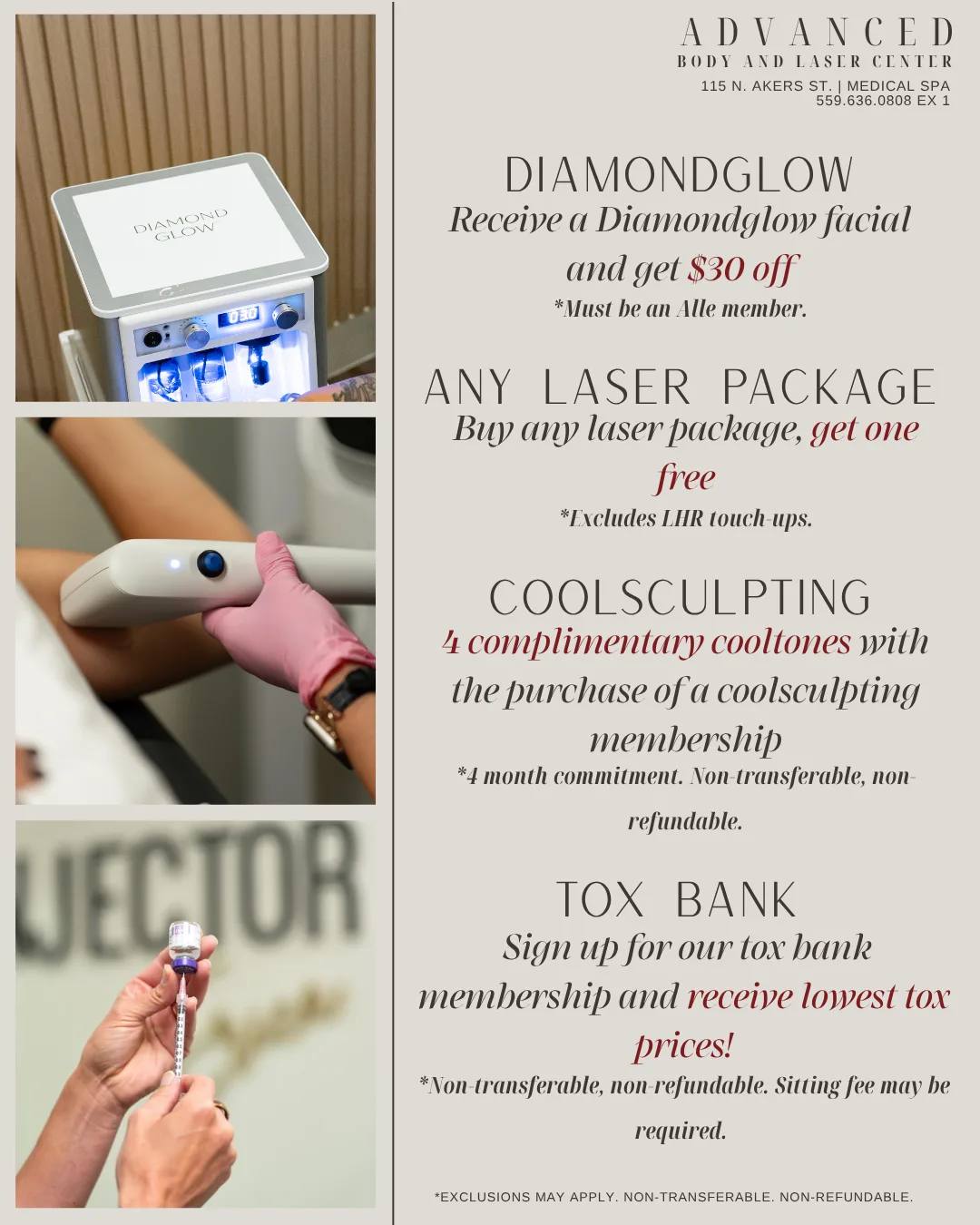
Hello, fall. This month, we’re making room for a little seasonal refresh with October favorites. Stock up with Tox Bank, treat your skin to DiamondGlow, sculpt with CoolSculpting, or save on any laser package. Consider this your sign to make a little time for you this fall.
Exclusions may apply. Promotions are non-refundable and non-transferable.
![Help! My Eyebrows Are Thinning [Steps to Take for Thicker Brows]](https://ablcvisalia.com/wp-content/uploads/2026/10/Help-My-Eyebrows-Are-Thinning-Steps-to-Take-for-Thicker-Brows.webp)
Discover your best self at Advanced Body & Laser. Whether you’re looking to rejuvenate your skin, sculpt your body, or simply feel more confident, our expert team is here to help. Schedule your consultation today and take the first step toward transformation.
Call ABLC at (559) 636-0808 for more information on booking an appointment, or fill out the form below and we will reach out to you!
