



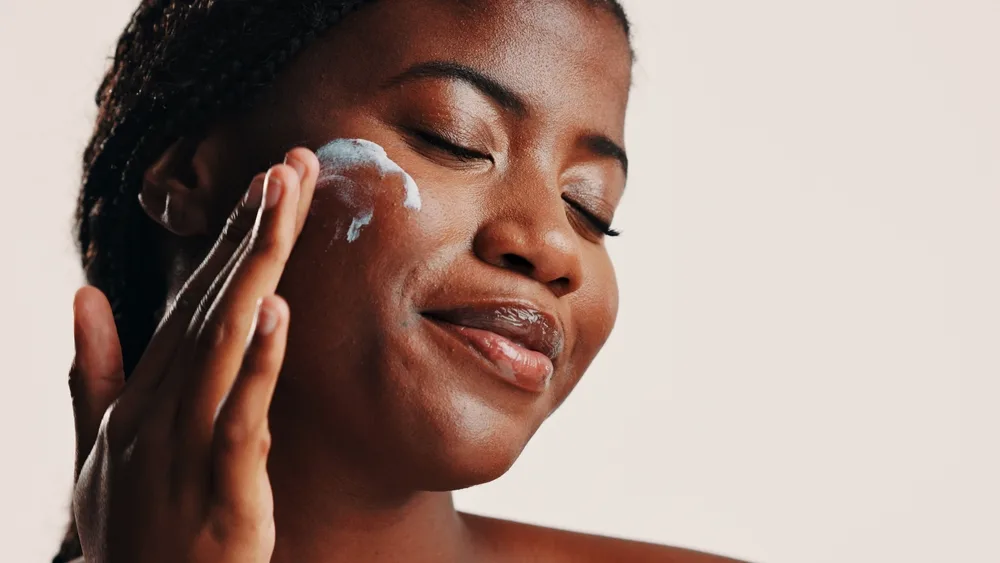
Darker skin contains more melanin, the pigment that gives skin its color. Melanin absorbs some ultraviolet light, so Black skin tends to burn less easily than lighter skin. That natural protection is real, but it does not block all sun damage.
So, does Black skin need sunscreen? Yes. UV rays can still affect darker skin, adding to early signs of aging and increasing the risk of skin cancer. Sunlight can also make hyperpigmentation harder to fade. Visible light can deepen dark patches too, which is especially useful to know if uneven tone or post-acne marks are a concern.
At Advanced Body and Laser Center, we work with many skin concerns, including uneven tone, dark spots, and signs of sun damage. Daily sun protection can support your skin between professional treatments and help protect the progress you make. This guide explains why sunscreen is useful for Black skin, what type to look for, and how to find a formula you will be comfortable wearing every day.
Yes. Melanin gives darker skin some natural protection, but it cannot block all UV or visible light.
The best sunscreen is one that gives good protection and feels comfortable enough for regular use.
Melanin helps absorb some UV radiation before it damages skin cells. Black skin contains more melanin than lighter skin, which helps explain why sunburn is less common.
That natural protection has limits. UVA and UVB rays can still reach the skin and cause damage over time. You do not need to turn red or peel for sun exposure to affect your skin.
A tan is another sign that the skin has responded to UV exposure. Even if your skin tends to tan rather than burn,sunscreen is still essential.
Sun damage does not always look like a bright red sunburn. In darker skin tones, changes in color and uneven pigmentation may be more noticeable.
Hyperpigmentation happens when an area of skin produces extra melanin. Acne, irritation, injuries, and some skin conditions can all leave darker marks behind.
Sun exposure can make those areas darker and slow down fading. Daily sunscreen for Black skin is especially useful if post-acne marks, melasma, or uneven tone are already part of your skincare concerns.
UVA rays reach deeper into the skin and can contribute to visible aging. Over time, repeated exposure can affect firmness, texture, and pigmentation.
Black skin often shows some signs of photoaging later than lighter skin because of its higher melanin levels. Sunscreen still helps reduce extra damage caused by UV exposure.
Skin cancer is less common in people with darker skin, but it can still occur. Having more melanin lowers some of the risk without removing it.
Changes in moles, new growths, or sores that do not heal deserve medical attention. People with darker skin should also check areas such as the palms, soles, and around the nails when watching for unusual changes. A dermatologist should examine anything suspicious.
A good sunscreen for Black skin needs to protect well and work with your skin tone. If a product leaves a heavy gray or white layer, you may be less likely to use enough of it.
Look for “broad-spectrum” on the label. This means the product protects against UVA and UVB rays.
SPF 30 or higher is the standard recommended by dermatologists for regular sun protection. Water resistance is also useful if you will be sweating, exercising, or swimming.
Tinted sunscreen can be especially useful for darker skin. Iron oxide adds protection against visible light, which can make hyperpigmentation worse.
Tint can also reduce the white residue left by some mineral sunscreens. Choose a shade that blends naturally into your skin rather than leaving the face gray or ashy.
Your skin type can help narrow down the formula. If you are oily or acne-prone, look for non-comedogenic sunscreen that is less likely to clog pores.
Dry skin may feel better with a more moisturizing cream. Sensitive skin may need a simple formula without fragrance or other ingredients that tend to cause irritation.
The right sunscreen should fit into your normal routine without making your skin uncomfortable.
UV light is not the only part of sunlight that can affect pigmentation. Visible light can also cause darkening, especially in darker skin tones.
Tinted sunscreens often contain iron oxide, which helps protect against visible light. This makes them useful for people dealing with melasma, post-acne marks, or patches of uneven color.
Sunscreen cannot erase existing pigmentation by itself. It can help stop sunlight from working against the skincare or professional treatments you use to improve it.
Yes. Burning is only one sign of sun damage.
Darker skin may tolerate more UV exposure before it burns, but UVA rays can still affect skin cells without causing obvious redness. Pigmentation may deepen even when the skin never feels sore.
Base your sun protection on exposure rather than how easily your skin burns. If your skin is exposed to daylight, sunscreen adds another layer of protection.
Regular sunscreen use is a simple way to limit repeated UV exposure. Apply it to skin that will be exposed during the day, especially the face, neck, ears, and other uncovered areas.
UVA rays can pass through many windows. Long periods beside a sunny window or driving can add to exposure even though you are indoors.
Daily sunscreen can be useful if you spend a lot of time near direct daylight.
Sunscreen wears away during the day. Dermatologists recommend reapplying around every two hours outdoors and sooner after swimming or heavy sweating.
One application in the morning may not last through a full day outside. Follow the directions on the product you use.
Sun protection becomes especially useful when you are working on pigmentation, texture, or visible signs of aging. Many professional skin treatments need good aftercare to protect the skin and support the result.
At Advanced Body and Laser Center, we offer customized facials and treatments for concerns such as uneven tone, hyperpigmentation, acne marks, and sun-related changes. Your provider will give you aftercare based on the treatment you have.
Some procedures can make skin more sensitive to sunlight for a period afterward. Follow your specific aftercare instructions and avoid direct sun when advised.
Think of sunscreen as protection for the work you are already putting into your skin. If you use products or treatments for dark spots, repeated sun exposure can keep adding new pigment to the area.
A consistent SPF routine helps reduce that extra trigger. It is especially helpful if your goals include a more even skin tone or fading post-acne marks.
Good skincare still needs to match your skin. Sunscreen works alongside cleansing, moisturizing, and any treatment plan recommended for your concerns.
White cast is one of the biggest reasons people with darker skin stop using certain sunscreens. Some mineral filters can leave a pale or gray finish that becomes more obvious on deeper skin tones. A tinted formula can help solve this problem. Newer sunscreen textures may also blend more easily without leaving much residue.
Try the product on your full face rather than judging it only on your hand. Skin tone and undertone can affect how a tint looks once it is spread evenly.
Does Black skin need sunscreen? Yes. Melanin provides some natural protection, but UV and visible light can still affect pigmentation, aging, and skin health. A broad-spectrum SPF 30+ sunscreen is a strong starting point, and tinted formulas with iron oxide can be especially helpful for dark spots.
AtAdvanced Body and Laser Center, we can assess your skin concerns and talk through professional treatment options for pigmentation, texture, acne marks, and other goals. We can also explain the type of daily aftercare that works alongside your treatment plan.
Book a skin consultation with us if uneven tone, dark spots, or sun-related changes are bothering you. We can build a treatment plan around your skin and the results you want to see.
Yes. Black skin tends to burn less easily because it contains more melanin, but sunburn is still possible. Deep skin tones may not always show the same bright redness seen on lighter skin.
Dermatologists recommend broad-spectrum SPF 30 or higher. A water-resistant formula is useful for swimming, exercise, and other activities that make you sweat.
Both types can provide UV protection when used correctly. Texture, skin sensitivity, and how well the sunscreen blends may guide your choice. Tinted mineral formulas can help reduce white cast.
Sunscreen can help stop sunlight and visible light from making dark spots more noticeable. Tinted sunscreen with iron oxide can be especially useful for hyperpigmentation.
Look for broad-spectrum SPF 30 or higher, water resistance, and a finish that blends well with your skin tone. A tinted formula with iron oxide can also protect against visible light and help avoid a white cast.

Hello, fall. This month, we’re making room for a little seasonal refresh with October favorites. Stock up with Tox Bank, treat your skin to DiamondGlow, sculpt with CoolSculpting, or save on any laser package. Consider this your sign to make a little time for you this fall.
Exclusions may apply. Promotions are non-refundable and non-transferable.
![Help! My Eyebrows Are Thinning [Steps to Take for Thicker Brows]](https://ablcvisalia.com/wp-content/uploads/2026/10/Help-My-Eyebrows-Are-Thinning-Steps-to-Take-for-Thicker-Brows.webp)

Discover your best self at Advanced Body & Laser. Whether you’re looking to rejuvenate your skin, sculpt your body, or simply feel more confident, our expert team is here to help. Schedule your consultation today and take the first step toward transformation.
Call ABLC at (559) 636-0808 for more information on booking an appointment, or fill out the form below and we will reach out to you!
