


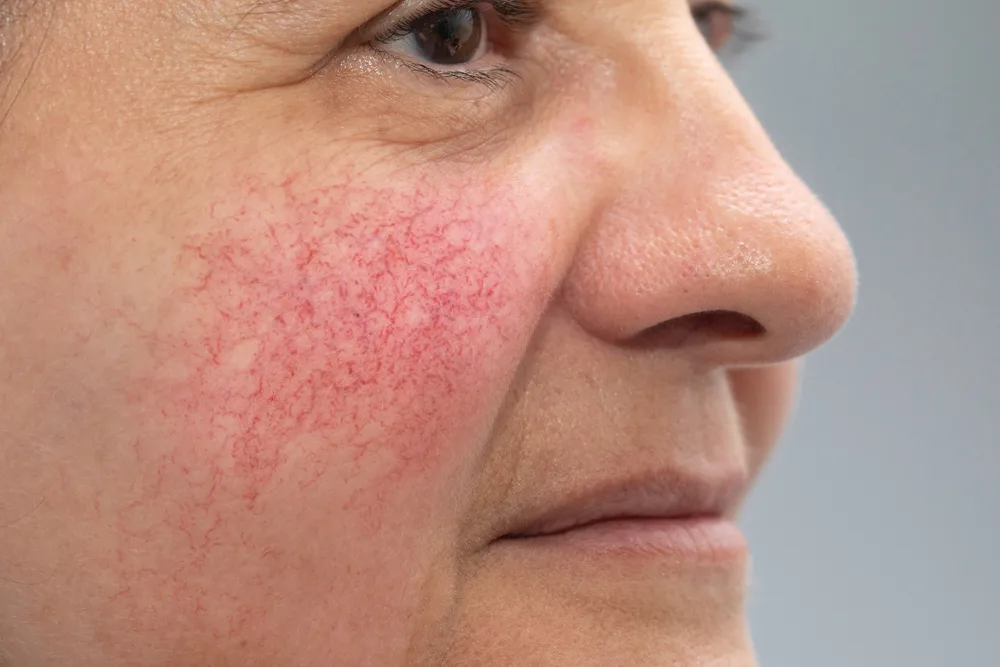
Blotchy skin can mean several different things. Your cheeks may suddenly turn red after a hot shower. You might have uneven patches that stay visible all day, or brown areas left behind by sun exposure or old breakouts. The right approach depends on what is causing the blotchy skin on your face.
Temporary flushing often settles once the trigger passes. Redness that keeps returning can be linked to rosacea, irritation, or visible blood vessels. Uneven brown patches may be caused by extra pigment instead. Some changes that look “blotchy” can even be signs of a skin or circulation problem that needs medical care.
At Advanced Body and Laser Center, we offer skin treatments for concerns including redness, visible vessels, sun damage, and uneven tone. This guide covers common causes of facial blotchiness, simple steps you can take at home, and the ABLC treatments that may help once we know what is behind the color change.
Start by looking at the color, pattern, and triggers behind the change. Different types of blotchiness need different care.
If the change is new, persistent, painful, or hard to explain, get it checked before trying to treat it cosmetically.
There is no single cause of blotchy skin on the face. Paying attention to how the skin looks and feels can narrow down the possibilities.
Rosacea often affects the cheeks, nose, forehead, and chin. It may begin with flushing that comes and goes. Over time, the redness can last longer, and small visible blood vessels or acne-like bumps may appear.
Common triggers include sun exposure, heat, spicy foods, alcohol, exercise, and some skincare products. Rosacea can also cause burning or stinging.
A dermatologist can diagnose rosacea if you are not sure what is causing the redness.
New skincare, makeup, hair products, or fragrance can irritate the skin. An allergic reaction can cause similar changes.
Contact dermatitis often causes redness along with itching, burning, dryness, or a rash. The face is a common place for it to appear because so many products touch the skin there.
Think about anything new you started using before the problem appeared. Stop using a product if you think it is irritating your skin, and speak with a medical professional if the reaction is strong or does not clear.
Too much sun can cause temporary redness, but repeated exposure can also create longer-term changes in skin tone. Sun spots and uneven pigmentation can make the face look patchy even without active redness.
Daily broad-spectrum sunscreen helps limit more UV damage and can support treatments aimed at improving uneven tone.
Inflamed spots can leave color behind after they heal. Depending on your skin tone, these marks may look red, pink, brown, gray, or purple.
Repeated breakouts can leave several shades on the face at once, creating a blotchy appearance. Treating the acne and protecting the skin from sunlight can help stop new marks from adding to the problem.
Small facial blood vessels can become more noticeable around the cheeks and nose. They can appear as thin red lines or add to a larger area of blotchy red skin on the face.
Rosacea, sun exposure, and genetics can all play a part. Topical skincare may not remove visible vessels, which is why laser or light-based treatment is sometimes considered.
Not always. “Blotchy” is a broad description for uneven color, while mottled skin has a more specific appearance.
True mottled skin, also called livedo reticularis, often creates a red, blue, or purple lace-like pattern. Cold temperatures can cause temporary mottling because of changes in blood flow. It usually fades as the skin warms.
Persistent mottled skin can sometimes be linked to medical conditions that affect blood flow or other parts of the body. A new lace-like pattern that does not go away should be assessed by a healthcare professional rather than treated as a cosmetic skin concern.
Simple changes can help if the skin is irritated or easily flushed. The goal is to avoid adding more irritation while you work out what is triggering the problem.
Too many strong products can leave skin sore and reactive. If your face has suddenly become red or sensitive, go back to a mild cleanser, moisturizer, and sunscreen.
Pause new acids, scrubs, retinoids, or other strong products if they seem to make the redness worse. Add them back carefully once the skin feels comfortable again.
Flushing often follows a pattern. Heat, hot showers, exercise, spicy meals, alcohol, and sun exposure are common rosacea triggers.
You do not need to avoid everything that can possibly cause redness. Pay attention to what repeatedly affects your own skin.
Sun exposure can make facial redness and pigmentation worse. Use broad-spectrum SPF 30 or higher on exposed skin and reapply during longer periods outdoors.
A hat and shade can give extra protection when the sun is strong.
Professional treatment should match the reason your skin looks uneven. At Advanced Body and Laser Center, we have several options for redness, visible vessels, pigmentation, and sun-related changes.
V-Beam Perfecta is a pulsed dye laser that targets vascular concerns in the skin. ABLC offers it for facial redness, rosacea, visible veins, broken capillaries, and other vascular concerns.
The laser sends energy toward the unwanted blood vessels while limiting damage to the surrounding skin. It can be useful when red, blotchy skin on the face comes from visible vessels or ongoing vascular redness.
We first need to assess the skin to decide if V-Beam fits the type of redness you have.
ABLC offersNordlys laser treatments with several technologies, including IPL and YAG.
Nordlys IPL can target both redness and areas of unwanted pigment. That makes it useful when the complexion looks uneven because of a mix of vascular color and sun-related spots.
Nordlys YAG targets deeper vascular concerns, including facial veins and diffuse redness. We choose the technology based on your skin, the depth of the concern, and the color we are treating.
If the blotchiness comes mainly from brown spots or uneven pigmentation,VI Peelmay be an option. ABLC offers this medical-grade chemical peel for concerns including hyperpigmentation, sun spots, acne scars, and uneven tone.
The peel removes damaged surface cells and encourages skin renewal. It would not be the first choice for every type of facial redness, so we assess the cause before recommending it.
ABLC offers several facials that can support brighter and more even-looking skin. The Brightening HydraFacial is aimed at hyperpigmentation and uneven tone, while the Signature Facial can be customized around your skin’s current needs.
Facials can also help with hydration and dullness. Active rosacea, irritation, or a rash may need a gentler plan or medical assessment first.
Cosmetic treatment should wait if the skin change could be a medical problem. See a healthcare professional if redness or discoloration appears suddenly, keeps spreading, or comes with pain, swelling, fever, or other symptoms.
Persistent rash, strong itching, eye irritation, or skin that repeatedly burns and stings also deserves assessment. Rosacea and dermatitis can look similar, and the right treatment depends on an accurate diagnosis.
A new lace-like mottled pattern that does not fade should also be checked. The same applies to any skin change that looks very different from your normal complexion and has no clear cause.
Blotchy skin on your face can come from temporary flushing, irritation, rosacea, visible vessels, sun damage, or uneven pigment. Finding the cause gives you a much better starting point than trying random products or treatments.
AtAdvanced Body and Laser Center, we can assess the redness or discoloration you want to improve and recommend treatment based on your skin. Depending on the cause, options may include V-Beam Perfecta, Nordlys, VI Peel, or a customized facial.
Book a skin consultation with us if redness, visible vessels, sun spots, or uneven tone are bothering you. We can match your treatment plan to what we see in your skin and the results you want.
The causes are much the same for men and women. Rosacea, sun exposure, irritation, dermatitis, acne, and visible facial vessels can all make the skin look red or uneven.
Shaving can add another source of irritation. A blunt razor, repeated passes, or strongly fragranced aftershave can leave the skin red and sore.
Yes. Stress can trigger flushing in some people and may set off rosacea symptoms. If the redness keeps returning, look for patterns involving stress along with heat, exercise, food, alcohol, or skincare.
Temporary flushing or mild irritation may settle once the trigger is gone. Persistent redness, visible vessels, pigmentation, or rosacea usually needs a more specific approach.
Sunscreen can help prevent UV exposure from making redness and pigmentation worse. Broad-spectrum SPF 30 or higher is a useful part of daily skin care, especially if you are treating sun spots or uneven tone.
A facial can help with concerns such as dullness, dehydration, and some types of uneven tone. The right treatment depends on the cause. Active rashes, strong irritation, or unexplained redness should be assessed before a facial.

Hello, fall. This month, we’re making room for a little seasonal refresh with October favorites. Stock up with Tox Bank, treat your skin to DiamondGlow, sculpt with CoolSculpting, or save on any laser package. Consider this your sign to make a little time for you this fall.
Exclusions may apply. Promotions are non-refundable and non-transferable.
![Help! My Eyebrows Are Thinning [Steps to Take for Thicker Brows]](https://ablcvisalia.com/wp-content/uploads/2026/10/Help-My-Eyebrows-Are-Thinning-Steps-to-Take-for-Thicker-Brows.webp)
Discover your best self at Advanced Body & Laser. Whether you’re looking to rejuvenate your skin, sculpt your body, or simply feel more confident, our expert team is here to help. Schedule your consultation today and take the first step toward transformation.
Call ABLC at (559) 636-0808 for more information on booking an appointment, or fill out the form below and we will reach out to you!
