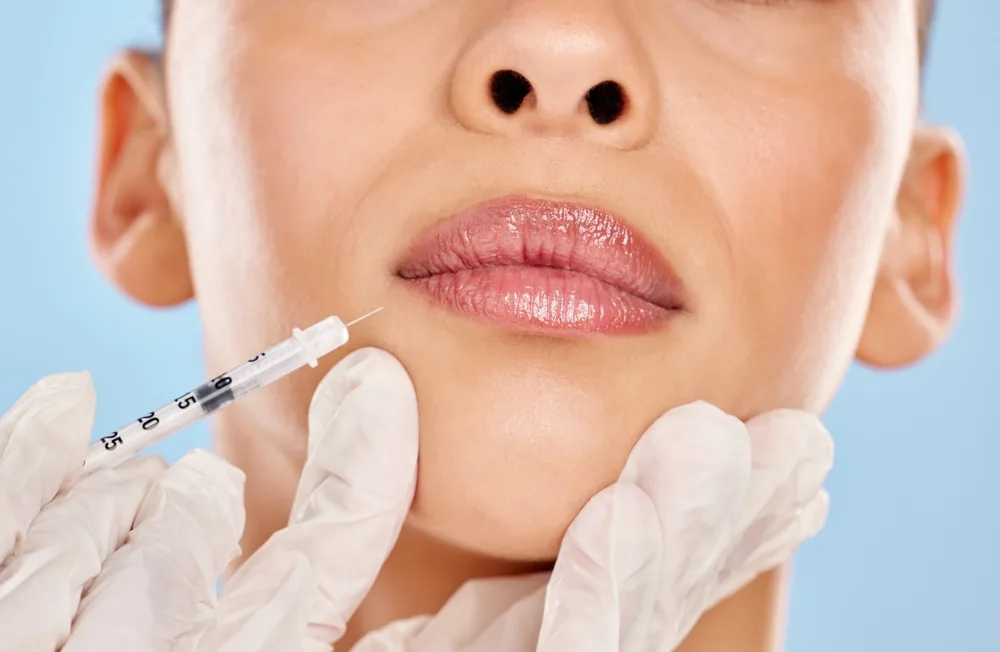



For new mothers, the desire to feel refreshed and rejuvenated is completely understandable. The sleepless nights and the physical demands of caring for a newborn can take a toll, and it’s natural to seek ways to feel more like yourself again.
Botox, a popular treatment for smoothing wrinkles and fine lines, is often a go-to for a quick aesthetic boost. This leads to a very common and important question: can you get Botox while breastfeeding? It’s a topic surrounded by a great deal of caution, and for good reason. The health and safety of your baby is the number one priority.
The internet is filled with conflicting advice, with some sources claiming it’s perfectly safe and others warning against it entirely. This can leave mothers feeling confused and uncertain about what to do. At Advanced Body & Laser Center, we believe in providing clear, evidence-based information to help our clients make informed decisions about their health and beauty. We understand the unique concerns of new mothers and are committed to prioritizing safety above all else.
In this blog, we will explore the current medical consensus on Botox and breastfeeding, the potential risks involved, and what you need to know to make the best choice for you and your little one.
To understand the concerns around Botox and breastfeeding, it’s helpful to first understand how the treatment works.
Botox is a brand name for a purified form of botulinum toxin type A. When injected in small, targeted doses, it works by temporarily blocking the nerve signals to the muscles. This causes the muscles to relax, which in turn smooths out the dynamic wrinkles that are formed by repetitive facial expressions, such as frown lines, crow’s feet, and forehead lines. The effect is localized to the treatment area, and the amount of toxin used for cosmetic purposes is very small.
The procedure is quick, with minimal discomfort and no downtime, which adds to its appeal for busy moms. The results typically become visible within a few days and can last for three to four months. It’s a highly effective treatment for achieving a more youthful, rested appearance, but the question of its safety during lactation requires a closer look at how the body processes the toxin.
When it comes to the question of whether you can get Botox while breastfeeding, the official medical advice leans heavily towards caution.
The U.S. Food and Drug Administration (FDA), which regulates Botox, has not specifically approved its use in breastfeeding mothers. This is largely because there have been no large-scale clinical trials to study the effects of Botox on this specific population.
Conducting such studies on pregnant or lactating women is ethically complex, so there is a lack of direct scientific data. As a result, the manufacturers of Botox and other neurotoxins advise against their use during breastfeeding.
Most reputable medical professionals and aesthetic providers, including the team at ABLC, will adhere to this recommendation and will not administer Botox to a client who is currently breastfeeding. The guiding principle is always to err on the side of caution when the well-being of an infant is involved.
The primary concern is whether the botulinum toxin can be absorbed into the bloodstream and subsequently pass into the breast milk.
The general consensus among experts is that this is highly unlikely. The amount of Botox used in cosmetic procedures is extremely small, and it is injected directly into the muscle tissue. The toxin is a large protein molecule, which makes it difficult for it to cross from the muscle into the bloodstream in any significant amount.
Even if a minuscule amount were to enter the bloodstream, it would be further diluted, making the chances of it reaching the breast milk in a quantity that could affect the baby infinitesimally small. Furthermore, if any toxin were to be present in the breast milk, it would likely be broken down in the baby’s digestive system before it could be absorbed.
While this scientific reasoning is reassuring, the absence of definitive studies means that a theoretical risk, however small, still exists.
Given that the risk is considered theoretical and extremely low, why do most providers still say no to Botox while breastfeeding? The answer lies in professional responsibility and liability. Without conclusive data from clinical trials confirming its safety, medical professionals are not willing to take even the slightest risk with a baby’s health.
The well-being of the infant is the paramount concern. From a legal and ethical standpoint, administering a treatment against the manufacturer’s guidelines and without FDA approval for that specific use would be a breach of professional standards. Therefore, the standard of care is to advise mothers to wait until they have finished breastfeeding before resuming or starting Botox treatments.
This conservative approach ensures the highest level of safety for both mother and child.
If you’re breastfeeding and looking for ways to refresh your appearance, there are several safe and effective alternatives to Botox.
A consistent, high-quality skincare routine can make a significant difference in the health and appearance of your skin. Look for products with ingredients like hyaluronic acid for hydration, vitamin C for brightening and antioxidant protection, and peptides to support collagen.
Regular facials, such as a hydrating or oxygenating facial, can also provide a temporary boost and a healthy glow. Additionally, focusing on a healthy lifestyle, including getting as much rest as possible, staying hydrated, and eating a nutritious diet, can have a profound impact on your skin.
While these alternatives may not provide the dramatic, wrinkle-smoothing results of Botox, they are completely safe to use while breastfeeding and can help you feel more confident and radiant.
Once you have finished breastfeeding, you can safely resume your Botox treatments. There is no required waiting period after you stop lactating. As soon as your baby is fully weaned, you can schedule a consultation with your aesthetic provider to discuss your treatment plan.
It’s a good idea to inform your provider that you have recently finished breastfeeding so they can assess your needs accordingly. At ABLC, we are always happy to welcome back clients who have been on a temporary hiatus from their aesthetic treatments and help them get back to feeling their best.
While the desire to look and feel your best as a new mother is completely valid, the safety of your baby must always come first. When it comes to Botox and breastfeeding, the responsible choice is to wait. The lack of definitive safety data and the recommendations from medical experts and regulatory bodies all point to the same conclusion: it’s better to be safe than sorry.
At Advanced Body & Laser Center, we are committed to upholding the highest standards of safety and care. We will be here to support you with safe and effective alternatives during your breastfeeding journey and will be ready to help you achieve your aesthetic goals with Botox once you have weaned your baby.
Contact us today to learn more about our services or to schedule a consultation for a future date.
No, there are no formal, large-scale clinical studies on the use of Botox in breastfeeding mothers. Due to ethical considerations, this type of research is not typically conducted. The current recommendations are based on the mechanism of the drug and an abundance of caution.
While it’s impossible to know for sure what any individual does, it is highly unlikely that a reputable, board-certified dermatologist or plastic surgeon would administer Botox to a celebrity who is known to be breastfeeding. The standard of care is the same for everyone, regardless of their public profile.
If you received Botox and then discovered you were pregnant, there is generally no cause for alarm. The amount of toxin used is very small and localized. However, you should inform your obstetrician and refrain from any further treatments until after you have delivered and finished breastfeeding.
There are many products marketed as “Botox in a bottle,” but none can replicate the muscle-relaxing effects of injectable botulinum toxin. Ingredients like argireline are peptides that can have a mild, temporary smoothing effect on the skin’s surface, but they do not work on the muscle level and the results are not comparable to Botox.
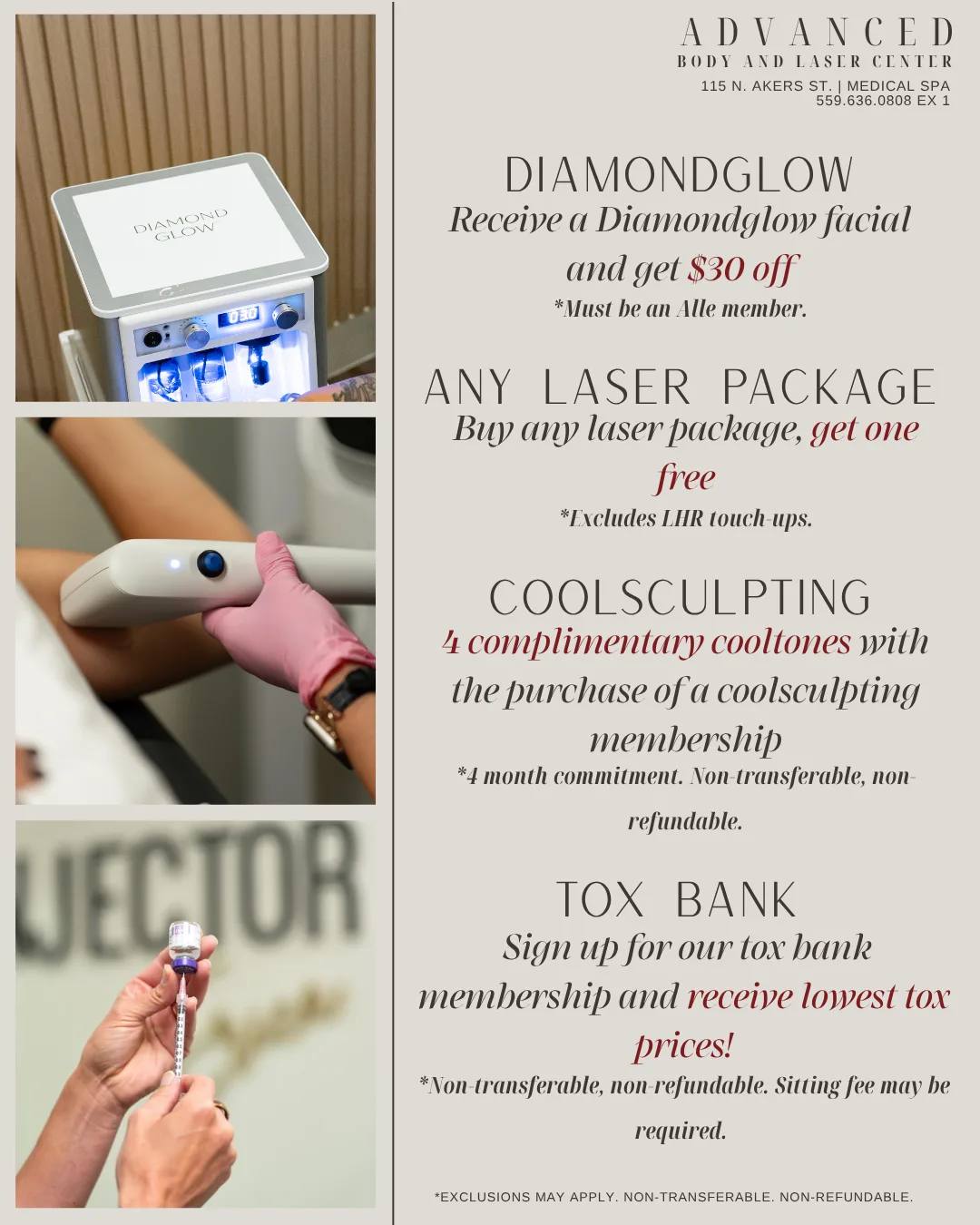
Hello, fall. This month, we’re making room for a little seasonal refresh with October favorites. Stock up with Tox Bank, treat your skin to DiamondGlow, sculpt with CoolSculpting, or save on any laser package. Consider this your sign to make a little time for you this fall.
Exclusions may apply. Promotions are non-refundable and non-transferable.
![Help! My Eyebrows Are Thinning [Steps to Take for Thicker Brows]](https://ablcvisalia.com/wp-content/uploads/2026/10/Help-My-Eyebrows-Are-Thinning-Steps-to-Take-for-Thicker-Brows.webp)
Discover your best self at Advanced Body & Laser. Whether you’re looking to rejuvenate your skin, sculpt your body, or simply feel more confident, our expert team is here to help. Schedule your consultation today and take the first step toward transformation.
Call ABLC at (559) 636-0808 for more information on booking an appointment, or fill out the form below and we will reach out to you!
