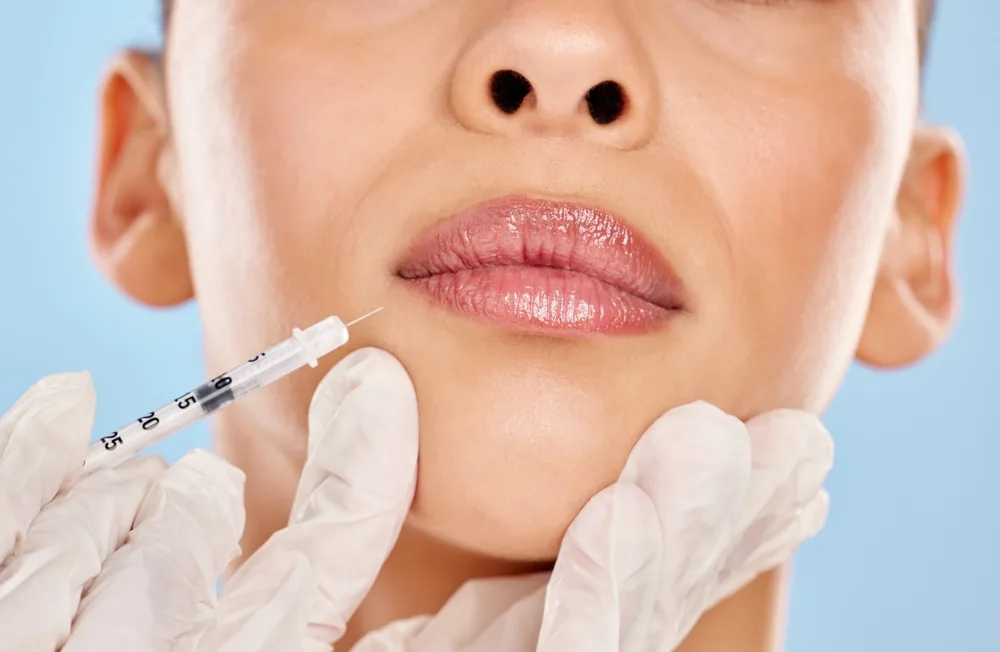



Uneven skin texture can change the way your complexion looks and feels, even when your skin is healthy. Rough patches, visible pores, shallow acne scars, fine lines, dull areas, and uneven skin tone can stop the surface from reflecting light smoothly. Makeup may settle into small dips or cling to dry areas. Skincare may help for a while, then the same texture seems to return.
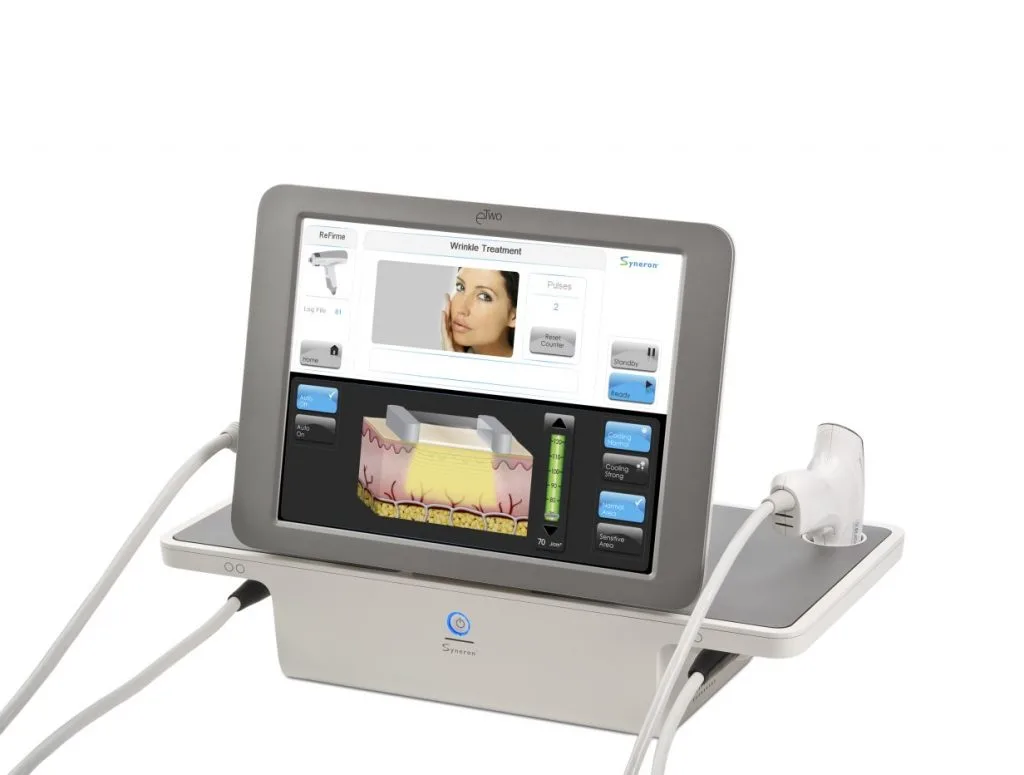
If you are wondering how to improve skin texture, the answer should match the cause. Dryness and irritation often need gentler daily care. Acne scars, early laxity, fine lines, and long-term roughness often need renewal below the surface. Sublative (ETWO) Resurfacing at Advanced Body & Laser Center uses fractional bipolar radiofrequency energy to support collagen and elastin production while leaving much of the outer skin layer intact.
That makes Sublative a useful option for patients who want to improve textured skin, uneven tone, mild wrinkles, acne scarring, and overall skin quality with less downtime than many aggressive resurfacing options.
The most effective plan pairs daily skin support with the right in-office treatment. Skincare can calm dryness, protect the barrier, and support brightness. Sublative Resurfacing helps when the unevenness is linked to scars, lines, pores, laxity, or reduced structural support.
A clear plan may include:
This gives your skin both everyday protection and professional support. The goal is not to strip the surface. The goal is to help the skin renew in a controlled way.
Textured skin can come from several sources. Acne scarring is one of the most common. After a breakout heals, the skin may be left with shallow dips, uneven patches, or rough marks where inflammation disrupted normal repair.
Visible pores can also make the surface look less refined. Pores may appear more noticeable because of oil, congestion, age-related firmness changes, or sun exposure. Fine lines add another layer of texture because they create small shadows across the surface.
Sun damage can affect both tone and feel. It may leave the complexion dull, blotchy, rough, or uneven. Dryness can create temporary flaking, but repeated irritation can make the skin look rough more often. The cause matters because a flaky surface needs a different plan than acne scarring or collagen loss.
If you are asking how to improve skin texture naturally, daily care is the right place to begin. A simple routine can help the complexion look calmer and more even, especially when roughness comes from dryness, product irritation, or a damaged skin barrier.
Use a gentle cleanser, consistent skin hydration, and daily sunscreen. Avoid harsh scrubs, over-exfoliation, and too many active ingredients at once. Skin that feels tight, stings often, or flakes easily usually needs barrier repair before stronger treatments are added.
Natural support has limits. It can improve mild roughness, dullness, and dehydration lines, but it may not fully smooth acne scars, etched wrinkles, or laxity. That is where professional treatment can be useful.
Sublative Resurfacing uses fractional bipolar radiofrequency energy. The device delivers controlled energy through a specialized applicator, creating small treatment zones in the skin. Surrounding tissue is left largely intact, which helps the skin repair while the treated areas begin a renewal process.
The treatment reaches the upper dermis, where firmness and texture support come from collagen and elastin. As the skin responds, it can gradually look smoother, firmer, and more even. This is why Sublative can be helpful for acne scars, wrinkles, laxity, enlarged-looking pores, and uneven skin tone.
Sublative is different from fully ablative resurfacing because it does not remove the entire outer layer of skin. Redness, swelling, warmth, and sensitivity can still happen, but downtime is usually shorter than more aggressive resurfacing procedures.
Texture can look different on every face. One person may have shallow acne marks. Another may have roughness around the cheeks, visible pores through the T-zone, or fine lines around the mouth.
The treatment plan should account for your skin tone, sensitivity, active breakouts, pigmentation history, scarring history, and downtime preferences. Some patients need a lighter approach. Others may need a series with stronger settings to address more stubborn texture.
Treatment may need to wait if you have active acne breakouts, open wounds, severe eczema or psoriasis in the treatment area, pregnancy or breastfeeding, or a history of keloid scarring. A consultation at ABLC helps confirm the right timing and treatment settings.
Improving skin texture on the face usually means identifying the main pattern first. Texture can come from acne scarring on the cheeks, fine lines around the eyes or mouth, sun damage across the forehead, visible pores near the nose, or dryness across the whole face.
Sublative can treat the face as a full area or focus on specific zones. A provider may target acne-scarred cheeks, fine lines, or areas where tone and texture have become uneven. The setting and spacing can be adjusted to the concern and your skin response.
The face is often treated because small texture changes are easy to notice there. A smoother-looking surface can help the complexion look fresher without changing your facial features.
Your visit includes a consultation and skin assessment before treatment. Your provider reviews your goals, medical history, skin type, recent sun exposure, and any active skin concerns. A topical numbing cream is usually applied before the procedure for comfort.
During treatment, the Sublative applicator is passed over the skin. You may feel warmth, prickling, or brief discomfort as the energy is delivered. A session often takes about 20 to 40 minutes, based on the area treated.
After treatment, the skin may look red or swollen and may feel warm for a few days. Gentle skincare and sun protection are important during healing. Your provider will explain when to restart makeup, stronger skincare, exercise, and sun exposure.
How to get rid of textured skin is a common goal, but smoother skin develops over time. Sublative works by triggering a repair response, and that process is gradual. Some patients notice early smoothness within a few weeks, with more visible change developing as the skin continues to remodel.
A series is often recommended because one session may not create enough change for scars, wrinkles, or long-standing roughness. ABLC commonly recommends three to five treatments spaced four to six weeks apart, based on your skin and goals.
This gradual timeline is part of the treatment design. Each session encourages more renewal below the surface, helping texture and tone improve in a steady way.
Sublative may be a good fit if you want to improve skin texture, acne scars, fine lines, wrinkles, large-looking pores, mild laxity, sun damage, hyperpigmentation, or uneven skin tone. It can be used on the face and on selected areas such as the neck, décolletage, and hands.
Patients who want visible refinement with manageable downtime may find Sublative appealing. The surface of the skin remains mostly intact, but the treatment still creates a healing response, so aftercare and sun protection matter.
The right candidate is someone with realistic expectations and a clear concern. Sublative can improve the look of textured skin, but results vary based on skin condition, treatment series, and how well the skin is cared for between visits.
The right way to improve skin texture changes with the cause of the roughness, unevenness, or scarring. Daily skincare can help with dryness, dullness, and barrier support. Sublative (ETWO) Resurfacing can support deeper renewal for acne scars, fine lines, wrinkles, uneven skin tone, pores, and rough texture.
At Advanced Body & Laser Center in Visalia, Sublative Resurfacing uses fractional bipolar radiofrequency energy to help the skin renew with a controlled repair response. Results build over time, which makes the treatment a strong option for patients who want smoother-looking skin without a highly invasive procedure.
Book a Sublative Resurfacing consultation at ABLC in Visalia today to talk through your skin texture concerns and choose a treatment plan that fits your complexion, goals, and comfort level. Contact ABLC to get started.
Skin texture can improve with gentle skincare, sunscreen, hydration, and professional resurfacing when scars, pores, wrinkles, or laxity need more support.
Facial texture often improves when the cause is identified first, such as dryness, acne scarring, sun damage, visible pores, or collagen loss.
Sublative creates controlled radiofrequency treatment zones that encourage skin remodeling, helping soften roughness, acne marks, fine lines, and pore visibility.
Acne scars often need more than surface skincare. Sublative can support repair under uneven areas so the skin looks smoother over a treatment series.
Natural support includes sunscreen, gentle cleansing, hydration, and avoiding harsh scrubs. These steps work best for mild roughness and barrier concerns.
Textured skin can be linked to acne scars, visible pores, sun damage, fine lines, aging, dryness, irritation, or uneven skin tone.
Textured skin often improves through consistent skincare, sun protection, and resurfacing treatments. Sublative can help when the concern sits below the surface.
Yes, Sublative may help refine complexion by improving rough texture, acne scars, fine lines, uneven skin tone, and overall skin quality.
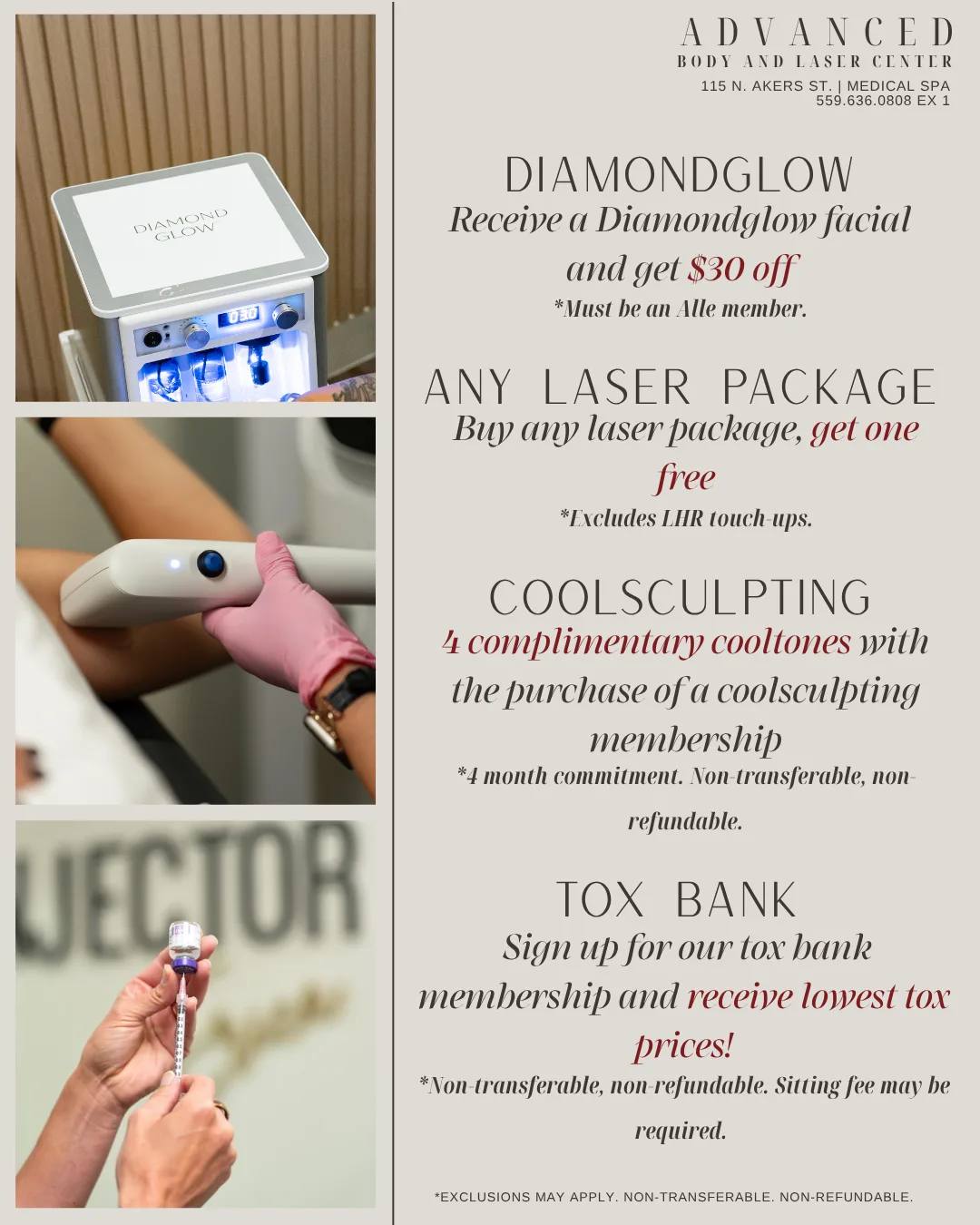
Hello, fall. This month, we’re making room for a little seasonal refresh with October favorites. Stock up with Tox Bank, treat your skin to DiamondGlow, sculpt with CoolSculpting, or save on any laser package. Consider this your sign to make a little time for you this fall.
Exclusions may apply. Promotions are non-refundable and non-transferable.
![Help! My Eyebrows Are Thinning [Steps to Take for Thicker Brows]](https://ablcvisalia.com/wp-content/uploads/2026/10/Help-My-Eyebrows-Are-Thinning-Steps-to-Take-for-Thicker-Brows.webp)
Discover your best self at Advanced Body & Laser. Whether you’re looking to rejuvenate your skin, sculpt your body, or simply feel more confident, our expert team is here to help. Schedule your consultation today and take the first step toward transformation.
Call ABLC at (559) 636-0808 for more information on booking an appointment, or fill out the form below and we will reach out to you!
