


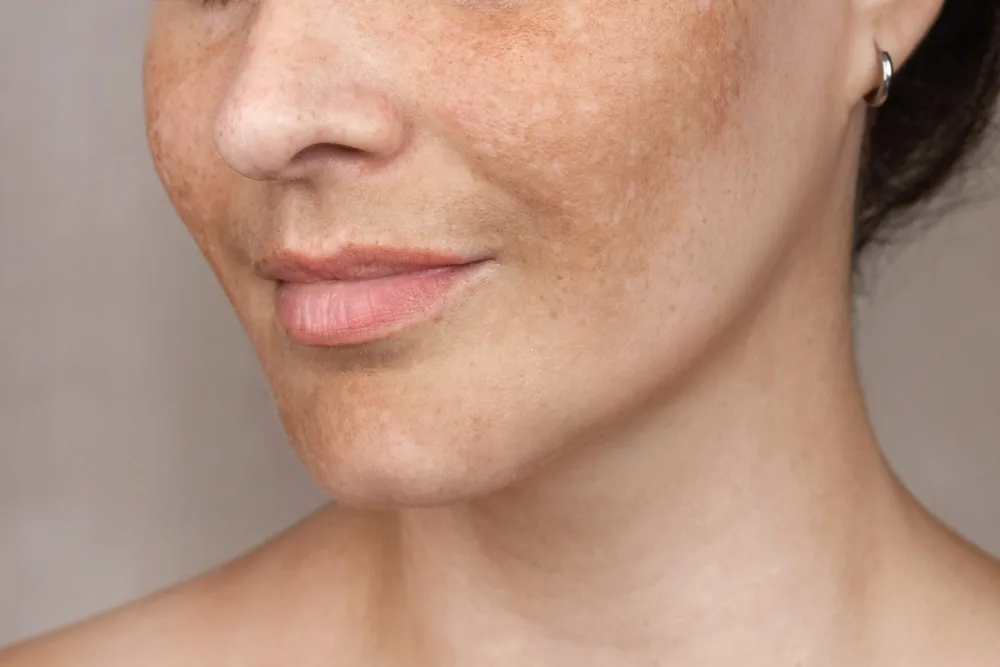
Melasma can be stubborn because it often sits at the meeting point of pigment, hormones, heat, and sun exposure. The patches may look tan, brown, gray-brown, or uneven, and they often appear across the cheeks, forehead, upper lip, chin, or nose. Some people first notice melasma after pregnancy, birth control changes, or years of sun exposure. Others see it return after a vacation, a hot workout routine, or inconsistent sunscreen use.
This is why how to treat melasma on the face needs a careful plan rather than a harsh one. Melasma-prone skin can react to irritation, and aggressive treatment may make discoloration look darker in some cases. The goal is to calm pigment activity, protect the skin from triggers, and choose treatments that match your skin type.
At ABLC, we offer treatment options that may be considered for pigmentation concerns, includingVI Peel, PicoWay and PicoWay Resolve, and Microneedling. Each option works differently, so the right melasma treatment starts with a skin assessment and a plan built around your pigment pattern, skin tone, and goals.
Treating melasma usually means combining daily pigment control with carefully selected in-office care. The most important first step is daily sun protection, since ultraviolet light and visible heat can make melasma darker.
A practical plan often includes:
This approach helps reduce new darkening while professional treatments work on existing discoloration.
Melasma is a type of hyperpigmentation that creates patchy discoloration on the face. It is usually symmetrical, meaning similar areas may appear on both sides of the face.
Melasma often appears as flat brown patches rather than raised spots. It can blend into the surrounding skin or create larger areas of uneven tone. Some people describe it as a shadow-like patch, especially above the upper lip or across the cheeks.
Hormones, sun exposure, heat, and genetics can all contribute to melasma. Pregnancy and hormonal contraception are common triggers. Skin inflammation can also worsen pigment in people who are prone to discoloration.
Dark facial spots can come from sun damage, age spots, post-acne marks, freckles, or melasma. Melasma usually forms broader patches, while sun spots are often smaller and more defined. A professional skin assessment helps separate these causes before treatment begins.
Melasma on the face can return if triggers are left unchecked. The pigment cells involved in melasma are reactive, which means they can darken again after sun exposure, heat, irritation, or hormonal changes.
Sunscreen is essential, but heat can be a trigger too. Hot yoga, saunas, long sun exposure, and high-heat environments may cause flushing that worsens discoloration for some people.
Melasma can appear during pregnancy or after hormonal changes because pigment activity is influenced by internal signals. This can make treatment planning more delicate, especially during pregnancy or breastfeeding.
Harsh scrubs, overly strong acids, and aggressive routines can inflame the skin. Inflammation can deepen discoloration, especially in medium and deeper skin tones. A steady, skin-respecting plan is often more useful than chasing a fast peel or laser result.
VI Peel is a medium-depth chemical peel that helps exfoliate the skin, support cell turnover, and improve the look of uneven pigmentation. ABLC uses VI Peel for concerns that include hyperpigmentation, sun damage, acne scars, and melasma.
The VI Peel contains a blend of ingredients including TCA, retinoic acid, salicylic acid, phenol, and vitamin C. The peel is applied in layers and remains on the skin for a set period before being washed off at home.
A VI Peel appointment takes about 30 to 45 minutes. Peeling can occur over the next several days, and aftercare is an important part of protecting the result. For melasma-prone skin, sun protection and gentle care after treatment are especially important.
VI Peel may be considered for people who want to improve uneven tone, sun damage, or pigment patches. It may not be suitable during pregnancy or breastfeeding, or for people with active skin infections, open wounds, or ingredient allergies.
PicoWay uses very short picosecond pulses to target pigment with less heat than many traditional lasers. ABLC uses PicoWay for concerns that include hyperpigmentation, age spots, sunspots, freckles, and melasma.
PicoWay can help break down unwanted pigment so the body can process it gradually. It may be chosen for certain brown spots on the skin and pigment concerns when the provider feels the skin is a good match.
PicoWay Resolve uses a fractional handpiece to create microscopic treatment zones beneath the surface. This can support collagen and elastin production while improving tone and texture over time.
Melasma requires careful laser planning because too much heat or irritation can worsen pigment in some people. Skin tone, pigment depth, recent sun exposure, and medical history should guide whether PicoWay belongs in your plan.
Microneedling creates controlled microchannels in the skin to support the body’s natural repair process. ABLC uses microneedling to stimulate collagen and elastin and address concerns that include uneven tone, hyperpigmentation, acne scars, and texture.
Microneedling can encourage smoother, firmer-looking skin over time. For pigment concerns, it may be used to support skin renewal and help improve uneven tone.
The microchannels created during treatment can help selected professional serums penetrate more effectively. The products used should be chosen carefully for melasma-prone skin to avoid unnecessary irritation.
Microneedling may suit people who need a gentler skin-renewal option than certain heat-based treatments. Your provider can decide if it should be used alone or as part of a broader pigment plan.
Natural care for melasma focuses on reducing triggers and protecting the skin barrier. Home care alone may leave deeper pigment unchanged, but it can help reduce new darkening and support in-office results.
Mineral sunscreen with iron oxides can be helpful because visible light may affect melasma. Reapply during long periods outdoors and use hats or shade when possible.
Heat can worsen melasma for some people. If your skin darkens after saunas, hot workouts, or prolonged sun exposure, reducing those triggers may help.
A simple routine with a mild cleanser, hydrating cream, and pigment-safe active ingredients can support the skin. Scrubbing, picking, and frequent product changes can create irritation that works against your goal.
Pregnancy-related melasma is common and is often called the mask of pregnancy. Treatment choices are more limited during this time because some ingredients and procedures should be postponed.
Daily sunscreen, hats, shade, and gentle skincare are the safest foundation during pregnancy. Mineral sunscreen is often preferred by people who want a simple protective routine.
Some pigment-correcting ingredients are not recommended during pregnancy. Speak with your medical provider before using brightening creams, retinoids, hydroquinone, peels, lasers, or microneedling while pregnant.
Some melasma softens after hormones settle, but persistent patches may need professional care later. A consultation after pregnancy or breastfeeding can help you decide whether VI Peel, PicoWay, PicoWay Resolve, microneedling, or another option fits your skin.
How to treat melasma on the face is best answered through careful assessment, steady daily protection, and treatments matched to your skin. Fast, harsh approaches can be tempting, but melasma often responds better to consistency and controlled care.
At ABLC, we can review your pigment pattern and discuss options such as VI Peel, PicoWay, PicoWay Resolve, and microneedling. Book a consultation with our team to build a treatment plan for melasma, brown spots, and uneven tone that suits your skin.
Melasma is a form of hyperpigmentation that creates brown or gray-brown patches, most often on the cheeks, forehead, upper lip, chin, or nose. It is commonly linked with hormones, sun exposure, heat, and genetics.
Some pregnancy-related melasma may fade after hormones settle. Other cases can persist or return with sun exposure, heat, or hormonal triggers, so ongoing protection is often needed.
The best option depends on your skin tone, pigment depth, triggers, and treatment history. VI Peel, PicoWay, PicoWay Resolve, and microneedling may all be considered after a professional assessment.
No. Brown spots on skin can also be sun spots, freckles, post-inflammatory marks, or age spots. A consultation helps identify the type of pigment before treatment.
Pregnancy limits many treatment choices. Focus on sun protection and gentle skincare, and speak with your medical provider before using pigment-correcting ingredients or scheduling in-office treatments.
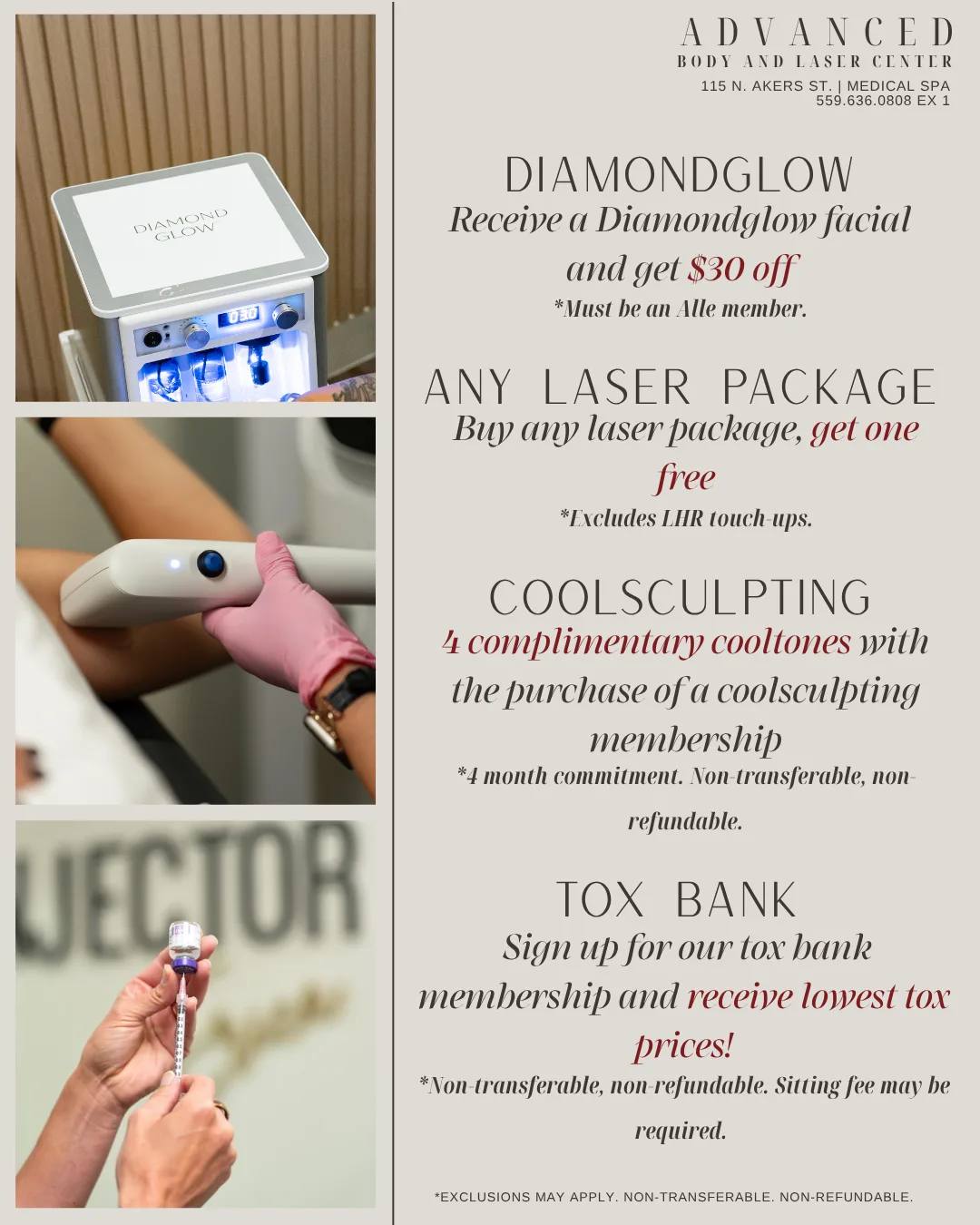
Hello, fall. This month, we’re making room for a little seasonal refresh with October favorites. Stock up with Tox Bank, treat your skin to DiamondGlow, sculpt with CoolSculpting, or save on any laser package. Consider this your sign to make a little time for you this fall.
Exclusions may apply. Promotions are non-refundable and non-transferable.
![Help! My Eyebrows Are Thinning [Steps to Take for Thicker Brows]](https://ablcvisalia.com/wp-content/uploads/2026/10/Help-My-Eyebrows-Are-Thinning-Steps-to-Take-for-Thicker-Brows.webp)
Discover your best self at Advanced Body & Laser. Whether you’re looking to rejuvenate your skin, sculpt your body, or simply feel more confident, our expert team is here to help. Schedule your consultation today and take the first step toward transformation.
Call ABLC at (559) 636-0808 for more information on booking an appointment, or fill out the form below and we will reach out to you!
