


Hair restoration has entered a new era of innovation. Gone are the days when your only options were invasive surgeries or pharmaceutical medications with unpredictable side effects. Today, two non-surgical powerhouses stand out: Platelet-Rich Plasma (PRP) and Alma TED. Both offer compelling results—but they work in very different ways.
If you’re dealing with thinning hair, early-stage pattern baldness, or excessive shedding, you may be wondering: What hair restoration treatment actually works? Let’s break down PRP and Alma TED side-by-side to help you understand how they work, what makes them unique, and which one might be right for your needs.
PRP (Platelet-Rich Plasma) has been used in various fields of medicine—from orthopedics to dermatology—for its natural healing and regenerative properties. In aesthetics, PRP hair restoration harnesses your body’s own platelets to stimulate hair regrowth where thinning and shedding are most prominent.
The process starts with a standard blood draw. The sample is then spun in a centrifuge to isolate the plasma, which is rich in platelets and growth factors. These elements are essential for cell repair and regeneration.
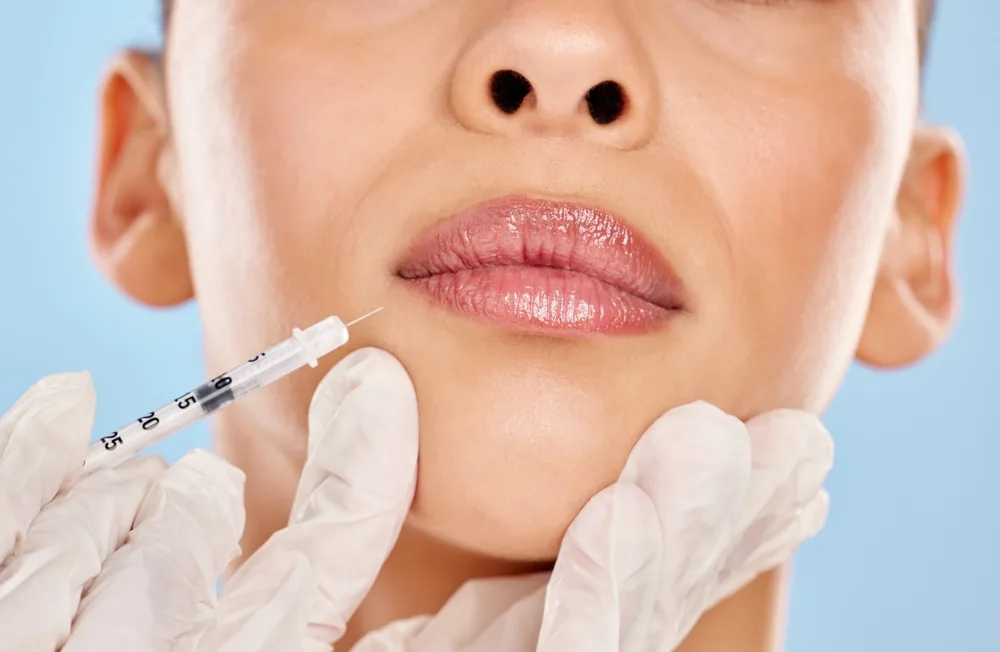
The concentrated PRP is then injected directly into areas of the scalp experiencing hair loss. Once injected, the PRP boosts circulation, revives dormant follicles, and encourages the natural growth cycle of your hair.
PRP is ideal for addressing:
It works best for people in the early to moderate stages of hair loss—those who still have functioning follicles that can respond to stimulation.
Alma TED (TransEpidermal Delivery) is a non-invasive, needle-free hair restoration system that uses sound waves and air pressure to deliver a proprietary topical serum deep into the scalp. It’s an entirely different approach from PRP, but equally innovative.
Instead of injections, Alma TED uses acoustic sound waves and air pressure to create micro-channels in the scalp. This allows for deep penetration of growth-stimulating compounds without breaking the skin or causing trauma.
These active ingredients work to increase blood flow, nourish the follicles, and improve scalp health—creating an ideal environment for stronger, healthier hair.
Alma TED is effective for:
It’s also well-suited for those who want to improve scalp health or strengthen hair strands without undergoing injections or using medications.
To decide which hair restoration treatment actually works for your specific case, it’s important to compare how PRP and Alma TED differ across several categories.
PRP remains a strong choice for patients looking for a natural, biologically driven way to restore hair without foreign substances. Because it uses your own blood components, the risk of allergic reactions is almost nonexistent. PRP is especially effective in areas of more noticeable thinning, like receding hairlines and the crown.
Some patients also prefer PRP because of its long-established presence in regenerative medicine. It has a proven track record and works well in combination with other treatments for even more dramatic results.
On the other hand, Alma TED offers a pain-free, no-downtime solution that appeals to patients who may be wary of injections or have sensitive scalps. It’s especially useful for those experiencing general thinning or for people looking to proactively strengthen their hair before hair loss becomes more pronounced.
Its ability to improve scalp health while promoting growth makes it a strong choice for preventive care or for individuals with inflammatory scalp conditions.
Absolutely. Many patients benefit from combining both treatments to optimize their results. For example, PRP can target specific problem areas, while Alma TED enhances scalp circulation and nutrient delivery across the entire head.
The synergy between the two treatments can provide a well-rounded approach to hair restoration, addressing both follicular stimulation and overall scalp health. A provider can design a hybrid treatment plan to suit your goals and level of hair loss.
The best way to determine whether PRP or Alma TED is right for you is through a professional consultation. Your provider will assess your stage of hair loss, scalp condition, and treatment preferences to make an informed recommendation.
In general:
Both PRP and Alma TED are clinically sound, effective, and minimally invasive options for restoring hair. They just work in different ways—and the right choice depends on your comfort level, goals, and how far your hair thinning has progressed.
At Advanced Body & Laser Center, we’re committed to helping you find the most effective treatment plan based on your individual needs. Whether you’re leaning toward PRP, interested in Alma TED, or curious about combining the two, our team will guide you every step of the way.
Hair restoration is personal—but it doesn’t have to be complicated. If you’re noticing thinning, shedding, or loss of volume, don’t wait until it becomes more advanced. Schedule a consultation with our experienced team to explore whether PRP, Alma TED, or a combination of both is the right fit for you.
We’re here to support your journey toward fuller, healthier hair with safe, effective solutions that fit your lifestyle.
With PRP, most patients begin seeing results 4–6 weeks after the second or third session. For Alma TED, noticeable improvement often starts after the second treatment, with optimal results showing around 6–12 weeks post-treatment.
Both offer long-lasting results, but they require maintenance. PRP results typically last 4–6 months with maintenance. Alma TED results may last 6–12 months, depending on your scalp health and hair cycle.
Yes. PRP involves injections and may cause mild discomfort during the procedure. Alma TED is completely non-invasive and pain-free, using sound waves and air pressure to deliver its formula.
It’s best to wait at least 24 hours before washing your hair after PRP or Alma TED. This allows the treatment to fully absorb and reduces any risk of irritation.
Patients with bleeding disorders, scalp infections, or active autoimmune conditions may not be good candidates for PRP. Alma TED may not be suitable for those with open wounds, severe scalp issues, or individuals who are fully bald.
PRP may cause minor swelling or tenderness at injection sites. Alma TED may result in brief redness or tingling, but side effects are generally minimal and short-lived for both treatments.
These treatments are not recommended during pregnancy or nursing. A consultation can help you explore alternatives.
Yes. A consultation is essential to assess your scalp, medical history, and goals to determine the most appropriate hair restoration strategy for you.
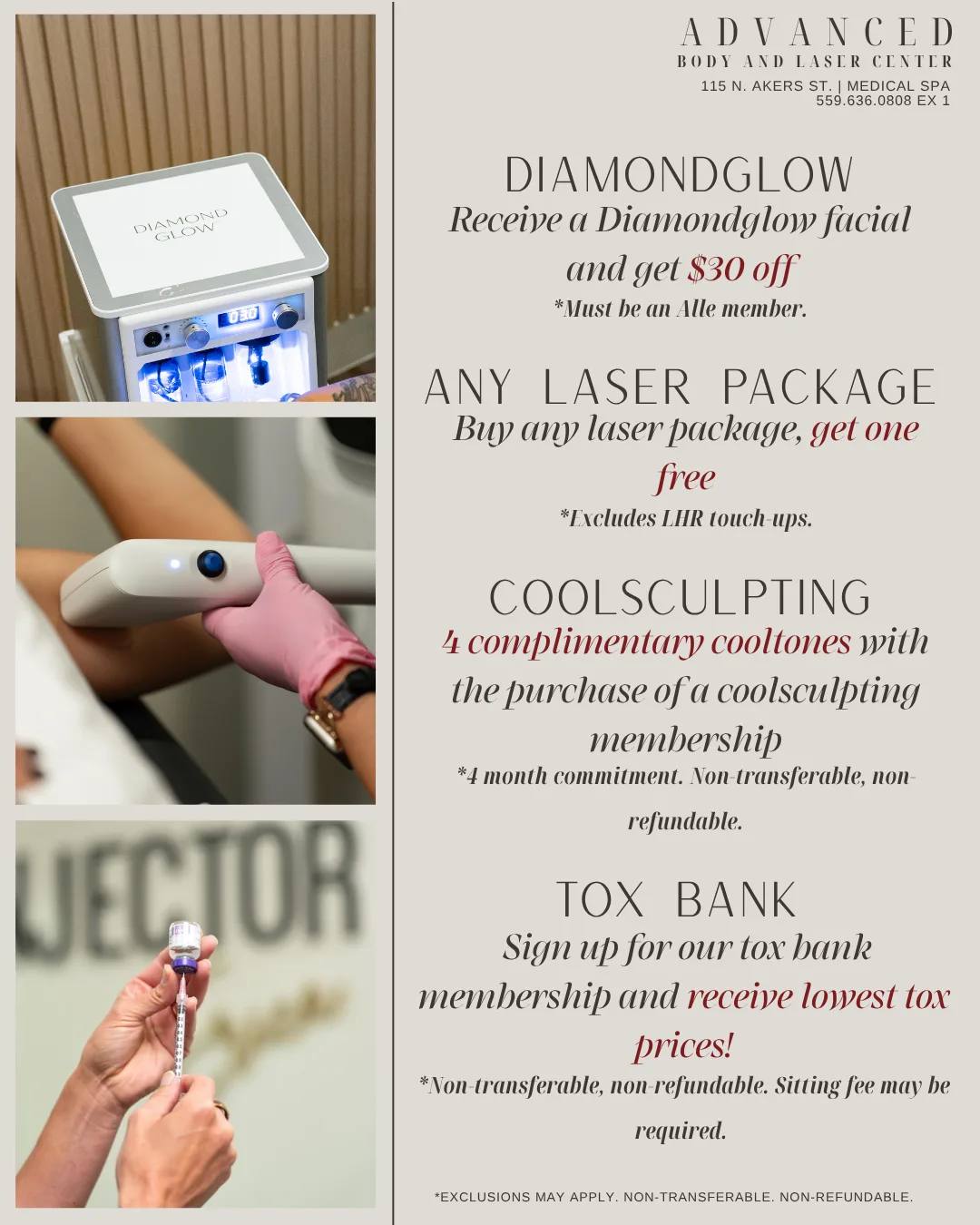
Hello, fall. This month, we’re making room for a little seasonal refresh with October favorites. Stock up with Tox Bank, treat your skin to DiamondGlow, sculpt with CoolSculpting, or save on any laser package. Consider this your sign to make a little time for you this fall.
Exclusions may apply. Promotions are non-refundable and non-transferable.
![Help! My Eyebrows Are Thinning [Steps to Take for Thicker Brows]](https://ablcvisalia.com/wp-content/uploads/2026/10/Help-My-Eyebrows-Are-Thinning-Steps-to-Take-for-Thicker-Brows.webp)
Discover your best self at Advanced Body & Laser. Whether you’re looking to rejuvenate your skin, sculpt your body, or simply feel more confident, our expert team is here to help. Schedule your consultation today and take the first step toward transformation.
Call ABLC at (559) 636-0808 for more information on booking an appointment, or fill out the form below and we will reach out to you!
