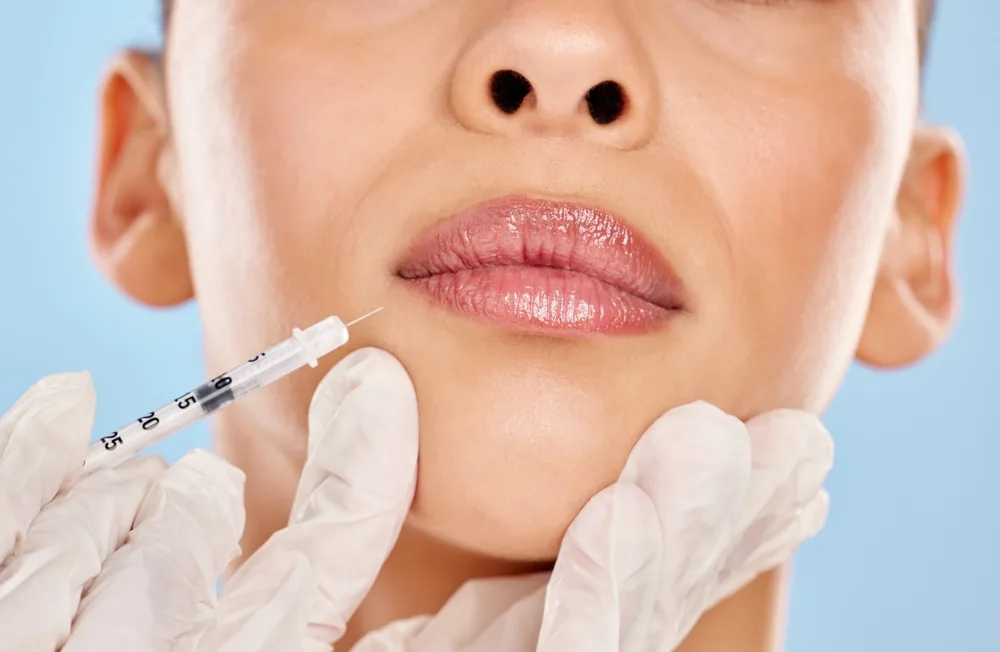



Chemical peels remain one of the most popular treatments for those seeking smoother, brighter, and more youthful-looking skin. Among the many options available today, the VI Peel stands out as a medical-grade treatment that delivers powerful results with minimal downtime. It is designed to improve texture, even skin tone, reduce acne scars, smooth fine lines, and fade hyperpigmentation, all while stimulating collagen production.
One of the most common questions people have before scheduling their appointment is: “When does the VI Peel actually start peeling?” Understanding the peeling timeline, how it works, and what to expect at each stage will help you feel confident and prepared for your treatment journey.
The VI Peel is a medium-depth chemical peel that uses a precise blend of trichloroacetic acid (TCA), retinoic acid, salicylic acid, phenol, and vitamin C to resurface the skin. Unlike traditional harsh chemical peels that often cause discomfort, the VI Peel is designed to be gentle yet effective, making it suitable for all skin types and tones.
Because it penetrates both the outer layer (epidermis) and the upper part of the dermis, it targets multiple skin concerns at once. Some of the key benefits include:
The VI Peel works through a dual process of exfoliation and regeneration. Once applied, the chemical solution penetrates into the skin and begins breaking down damaged cells. This process signals the body’s natural healing mechanisms to generate new, healthier skin cells.
As part of this regeneration process, the outermost layers of skin begin to peel away. This shedding allows fresh, smoother skin to come to the surface. The peeling stage is temporary but essential for revealing the results.
One of the most important aspects of the treatment is knowing when the peeling begins and how long it lasts. While individual experiences can vary slightly depending on skin type and sensitivity, the typical VI Peel peeling timeline looks like this:
After your practitioner applies the peel, you’ll leave the solution on for about 4 to 6 hours. During this time, your skin may feel slightly tight, warm, or tingly, but discomfort is minimal. You won’t see immediate peeling on this day.
By the second day, most patients notice their skin feels tight, dry, or mildly sensitive. Some redness or darkening of pigmentation may also occur. Still, visible peeling usually hasn’t started yet.
The majority of patients begin to see visible peeling on the third day, typically starting around the mouth and chin area. This is because facial movements naturally loosen the treated skin in these regions.
Peeling becomes more pronounced during this stage. Sheets or flakes of skin may come off, revealing fresh, healthy skin underneath. It’s very important not to pick, peel, or pull at flaking skin, as this can lead to irritation or even scarring.
By the sixth or seventh day, peeling usually tapers off. Some patients may continue to experience light flaking in certain areas, but the most noticeable shedding is complete.
Once the peeling has finished, your new skin will appear brighter, smoother, and more even in tone. Improvements in acne, discoloration, and fine lines become more visible as collagen production increases over the following weeks.
While the above timeline is typical, some factors can influence when peeling starts and how long it lasts:
Proper aftercare is essential to maximize your results and avoid complications. Here are the top guidelines to follow during the peeling process:
Many patients are surprised by how comfortable and manageable the VI Peel experience is compared to traditional chemical peels. Older, more aggressive formulas often required significant downtime and came with discomfort during the peeling process.
The VI Peel, however, was designed with patient comfort and inclusivity in mind. It’s suitable for all Fitzpatrick skin types (I–VI), including darker tones that may not tolerate other peels well. Because of its unique formulation, peeling occurs in a more controlled and gradual way, revealing results without overwhelming downtime.
The peeling process is only the beginning. The true transformation happens as your skin continues to regenerate in the weeks following your treatment. Benefits include:
Most patients see noticeable improvement within 7 to 10 days, with continued enhancement as collagen remodeling progresses over the next several months. For best results, multiple sessions spaced several weeks apart may be recommended.
The VI Peel is safe for a wide variety of people, making it one of the most versatile options available. You may be a good candidate if you:
Those who are pregnant, breastfeeding, have active skin infections, or have had recent cosmetic treatments that increase sensitivity should postpone or avoid the VI Peel until cleared by a professional.
So, when does the VI Peel start peeling? For most people, the process begins on day 3, intensifies over days 4 and 5, and slows by day 6 or 7. By the second week, your skin will be smoother, brighter, and more youthful, with continued improvements in tone and texture over time.
The peeling is temporary, but the results are long-lasting, making the VI Peel a favorite choice for anyone looking to refresh and rejuvenate their complexion without major downtime. If you’re considering the treatment, a professional consultation can confirm if it’s the right choice for your goals and skin type.
Most patients begin peeling on day 3 after treatment. The process intensifies over the next couple of days and typically subsides by day 6 or 7.
Peeling generally lasts about 4 to 5 days. Some patients may experience lighter flaking for a few additional days, depending on their skin type and healing response.
Not everyone experiences dramatic peeling, but the treatment is still effective. Even if peeling isn’t visible, cell turnover is happening beneath the surface, leading to skin rejuvenation.
It’s not recommended to try to speed up peeling. Picking or exfoliating too soon can damage new skin and cause irritation. Let the process unfold naturally.
Initial results become visible within 7 to 10 days, with brighter skin and improved tone. Continued collagen production enhances results over the following weeks.
It’s best to avoid makeup during the active peeling phase, especially the first few days. Applying makeup too soon can clog pores or disrupt the healing process.
For optimal results, many providers suggest 3 to 6 treatments spaced 4 to 6 weeks apart, depending on your skin concerns and goals.

Hello, fall. This month, we’re making room for a little seasonal refresh with October favorites. Stock up with Tox Bank, treat your skin to DiamondGlow, sculpt with CoolSculpting, or save on any laser package. Consider this your sign to make a little time for you this fall.
Exclusions may apply. Promotions are non-refundable and non-transferable.
![Help! My Eyebrows Are Thinning [Steps to Take for Thicker Brows]](https://ablcvisalia.com/wp-content/uploads/2026/10/Help-My-Eyebrows-Are-Thinning-Steps-to-Take-for-Thicker-Brows.webp)
Discover your best self at Advanced Body & Laser. Whether you’re looking to rejuvenate your skin, sculpt your body, or simply feel more confident, our expert team is here to help. Schedule your consultation today and take the first step toward transformation.
Call ABLC at (559) 636-0808 for more information on booking an appointment, or fill out the form below and we will reach out to you!
